Close Menu
celebritymediamanagement.com
    What's Hot

    Our Critic Calls ‘Fish Story’ the Greatest Seafaring Epic in Contemporary Art

    November 16, 2026

    Why the global cruise industry has eyes on AUNZ market

    November 16, 2026

    6 celebrity couples whose age differences range from 17 to 46 years

    November 16, 2026
    Facebook X (Twitter) Instagram
    Trending
    • Our Critic Calls ‘Fish Story’ the Greatest Seafaring Epic in Contemporary Art
    • Why the global cruise industry has eyes on AUNZ market
    • 6 celebrity couples whose age differences range from 17 to 46 years
    • Mladen Miljanović awarded Balkan Contemporary Art Prize 2026 – Announcements
    • Inside the Exclusive-Access Boom in Luxury Travel, From Islands to Palaces
    • From Brody Jenner to Tyga
    • Global Travel Collection Names Melissa Krueger as President
    • Claressa Shields Shares Texts W/ Papoose, Shows Off New Look
    Facebook X (Twitter) Instagram
    celebritymediamanagement.com
    Monday, November 16
    • Home
    • Celebrity Events
    • Scandals & Confessions
    • Trending Celebrity News
    • Beauty Gone Wrong
    • Celebrity Marriages & Divorce
    • Luxury Celebrity Homes
    • More
      • Celebrity Cars & Collections
      • Priceless Art Collections
      • Hollywood Movie Rumors
      • Vacation Hotspots For The Rich
    celebritymediamanagement.com
    Home»Art Collections»Museums have tons of data, and AI could make it more accessible − but standardizing and organizing it across fields won’t be easy
    Art Collections

    Museums have tons of data, and AI could make it more accessible − but standardizing and organizing it across fields won’t be easy

    CelebrityMediaManagementBy CelebrityMediaManagementJanuary 20, 2026No Comments5 Mins Read2 Views
    Facebook Twitter Pinterest LinkedIn Telegram Tumblr Email
    Museums have tons of data, and AI could make it more accessible − but standardizing and organizing it across fields won’t be easy
    Share
    Facebook Twitter LinkedIn Pinterest Email

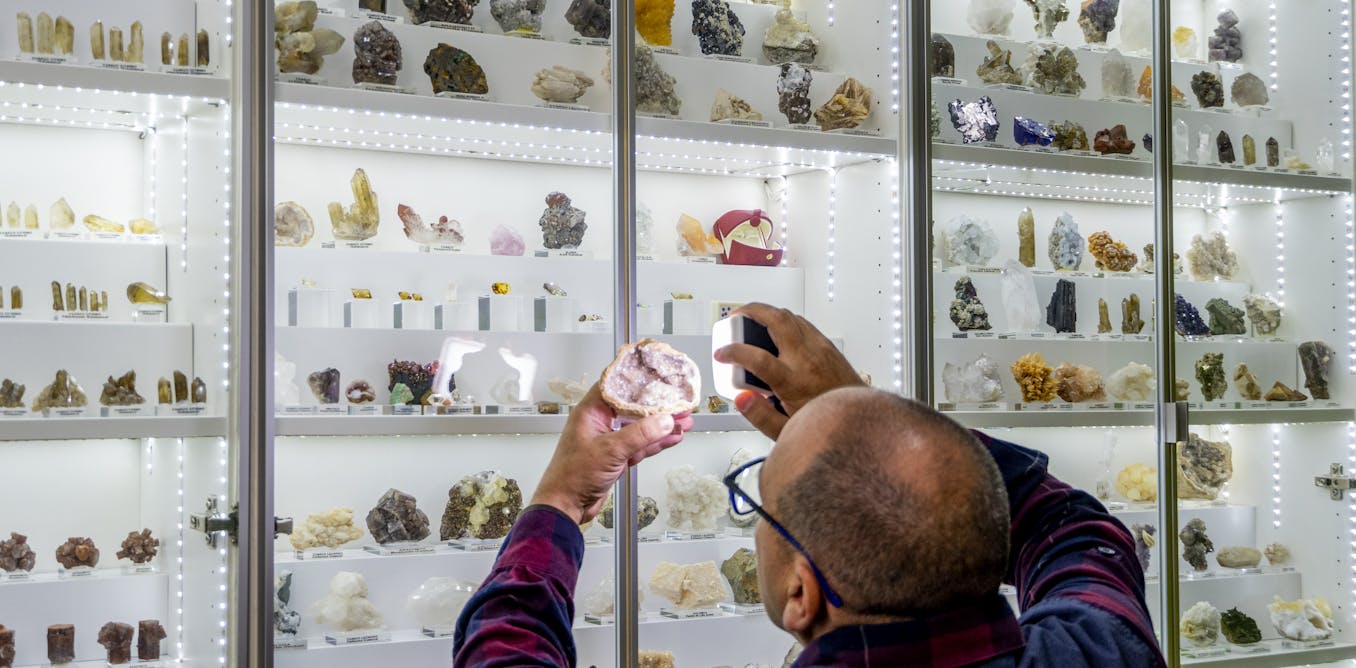
    Ice cores in freezers, dinosaurs on display, fish in jars, birds in boxes, human remains and ancient artifacts from long gone civilizations that few people ever see – museum collections are filled with all this and more.

    These collections are treasure troves that recount the planet’s natural and human history, and they help scientists in a variety of different fields such as geology, paleontology, anthropology and more. What you see on a trip to a museum is only a sliver of the wonders held in their collection.

    Museums generally want to make the contents of their collections available for teachers and researchers, either physically or digitally. However, each collection’s staff has its own way of organizing data, so navigating these collections can prove challenging.

    Creating, organizing and distributing the digital copies of museum samples or the information about physical items in a collection requires incredible amounts of data. And this data can feed into machine learning models or other artificial intelligence to answer big questions.

    Currently, even within a single research domain, finding the right data requires navigating different repositories. AI can help organize large amounts of data from different collections and pull out information to answer specific questions.

    But using AI isn’t a perfect solution. A set of shared practices and systems for data management between museums could improve the data curation and sharing necessary for AI to do its job. These practices could help both humans and machines make new discoveries from these valuable collections.

    As an information scientist who studies scientists’ approaches to and opinions on research data management, I’ve seen how the world’s physical collection infrastructure is a patchwork quilt of objects and their associated metadata.

    AI tools can do amazing things, such as make 3D models of digitized versions of the items in museum collections, but only if there’s enough well-organized data about that item available. To see how AI can help museum collections, my team of researchers started by conducting focus groups with the people who managed museum collections. We asked what they are doing to get their collections used by both humans and AI.

    A child looking at a large glass exhibit case.

    Museums can have vast collections – everything from samples from archeological sites to preserved insects to dinosaur bones. And huge collections means lots of data to collect and organize.
    Justin Pumfrey/The Image Bank via Getty Images

    Collection managers

    When an item comes into a museum collection, the collection managers are the people who describe that item’s features and generate data about it. That data, called metadata, allows others to use it and might include things like the collector’s name, geographic location, the time it was collected, and in the case of geological samples, the epoch it’s from. For samples from an animal or plant, it might include its taxonomy, which is the set of Latin names that classify it.

    All together, that information adds up to a mind-boggling amount of data.

    But combining data across domains with different standards is really tricky. Fortunately, collection managers have been working to standardize their processes across disciplines and for many types of samples. Grants have helped science communities build tools for standardization.

    In biological collections, the tool Specify allows managers to quickly classify specimens with drop-down menus prepopulated with standards for taxonomy and other parameters to consistently describe the incoming specimens.

    A common metadata standard in biology is Darwin Core. Similar well-established metadata and tools exist across all the sciences to make the workflow of taking real items and putting them into a machine as easy as possible.

    Special tools like these and metadata help collection managers make data from their objects reusable for research and educational purposes.

    Many of the items in museum collections don’t have a lot of information describing their origins. AI tools can help fill in gaps.

    All the small things

    My team and I conducted 10 focus groups, with a total of 32 participants from several physical sample communities. These included collection managers across disciplines, including anthropology, archaeology, botany, geology, ichthyology, entomology, herpetology and paleontology.

    Each participant answered questions about how they accessed, organized, stored and used data from their collections in an effort to make their materials ready for AI to use. While human subjects need to provide consent to be studied, most species do not. So, an AI can collect and analyze the data from nonhuman physical collections without privacy or consent concerns.

    We found that collection managers from different fields and institutions have lots of different practices when it comes to getting their physical collections ready for AI. Our results suggest that standardizing the types of metadata managers record and the ways they store it across collections could make the items in these samples more accessible and usable.

    Additional research projects like our study can help collection managers build up the infrastructure they’ll need to make their data machine-ready. Human expertise can help inform AI tools that make new discoveries based on the old treasures in museum collections.

    accessible Data Easy Fields Museums organizing standardizing tons Wont
    Share. Facebook Twitter Pinterest LinkedIn Tumblr Email
    CelebrityMediaManagement
    • Website

    Related Posts

    Our Critic Calls ‘Fish Story’ the Greatest Seafaring Epic in Contemporary Art

    November 16, 2026

    Mladen Miljanović awarded Balkan Contemporary Art Prize 2026 – Announcements

    November 15, 2026

    Takehisa Yumeji, A Creator Who Shaped an Era|かずくんの備忘録

    November 14, 2026

    Museums Worldwide Post the Creepiest Objects in Their Collections

    November 14, 2026

    At West Campus, new and improved access to Peabody Museum’s collections

    November 13, 2026

    A New Los Angeles Fair Making Contemporary Art More Accessible to a New Generation of Collectors

    November 13, 2026
    Leave A Reply Cancel Reply

    Don't Miss

    Our Critic Calls ‘Fish Story’ the Greatest Seafaring Epic in Contemporary Art

    November 16, 2026

    The sea is timeless. But the New York debut of “Fish Story” by Allan Sekula…

    Why the global cruise industry has eyes on AUNZ market

    November 16, 2026

    6 celebrity couples whose age differences range from 17 to 46 years

    November 16, 2026

    Mladen Miljanović awarded Balkan Contemporary Art Prize 2026 – Announcements

    November 15, 2026
    Stay In Touch
    • Facebook
    • Twitter
    • Pinterest
    • Instagram
    • YouTube
    • Vimeo
    Latest Reviews
    About Us

    Welcome to Celebrity Media Management — your ultimate backstage pass to the glamorous, scandalous, and jaw-dropping world of celebrity culture.

    From red carpet events and exclusive Hollywood parties to the juiciest confessions and outrageous plastic surgery rumors, we cover it all — raw, real, and unapologetically entertaining. Our team of pop culture enthusiasts, insiders, and trend-watchers work around the clock to bring you the most talked-about celebrity stories from around the globe.

    Our Picks

    Our Critic Calls ‘Fish Story’ the Greatest Seafaring Epic in Contemporary Art

    November 16, 2026

    Why the global cruise industry has eyes on AUNZ market

    November 16, 2026

    6 celebrity couples whose age differences range from 17 to 46 years

    November 16, 2026
    OUR CATEGOIRES
    • Celebrity Events
    • Scandals & Confessions
    • Trending Celebrity News
    • Beauty Gone Wrong
    • Celebrity Marriages & Divorce
    • Celebrity Cars & Collections
    • Luxury Celebrity Homes
    • Priceless Art Collections
    • Hollywood Movie Rumors
    • Vacation Hotspots For The Rich
    • Terms and Conditions
    • Privacy Policy
    • Contact Us
    • About Us
    Copyright © 2025. CelebrityMediaManagement.All Right Reserved.

    Type above and press Enter to search. Press Esc to cancel.