


Many of the spring exhibitions across Greater Boston ruminate on community and what it means to lift each other up. “Technologies of Relation” at MASS MoCA explores the ways technology can be a useful tool for connection. “Yinka Shonibare: Sanctuary” at the Rose Art Museum displays a city of refugee sanctuaries fostering hope for the future. “Derrick Adams: View Master” at the Institute of Contemporary Art/Boston traverses Black identity and culture. These exhibits and more are below.
Through May 2027

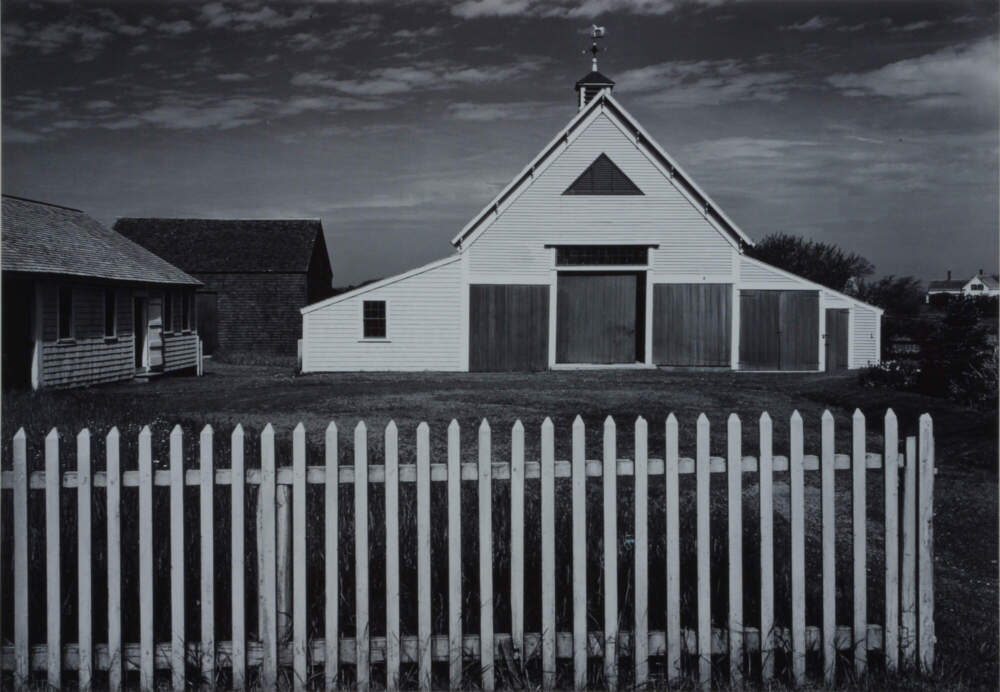
The Fitchburg Art Museum was incorporated on Dec. 31, 1925, and is celebrating its 100th anniversary with programming through 2029. “Kaleidoscope: 100 Years of Collection for Our Community” is the second exhibition in a series ringing in the centennial. The exhibition is an eclectic collection of over 500 artworks from the museum’s permanent collection. “Kaleidoscope” includes old, new and rarely seen acquisitions and invites visitors to explore their own connections to the works. One of the works is a gelatin silver print titled “Barn, Cape Cod, Massachusetts” by the late photographer and environmentalist Ansel Adams. He is known for his black and white images of the western U.S. “Kaleidoscope” also honors FAM founder Eleanor Norcross with pieces from her personal collection. Norcross was an artist herself — she attended classes at the Art Students’ League in New York City and later worked and exhibited in Paris. She donated her art collections and funds in order to create what would one day become the Fitchburg Art Museum.
Currently on view

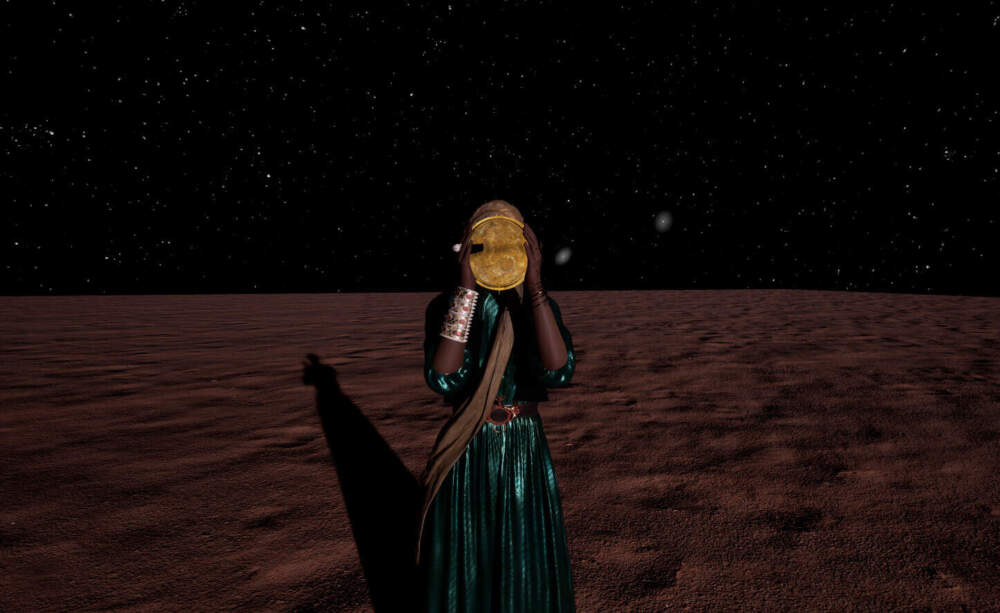
“Technologies of Relation” explores the complexities of humanity’s relationship with technology through the artwork of 11 artists that examine how “algorithms and A.I. have the tendency to oppress and erase marginalized communities.” Many of the artists investigate the ways ancestral traditions, such as weaving and divination, exemplify how technology could be made more accessible and ethical. Iranian-Kurdish artist Morehshin Allahyari is showing her poetic film “Speculations on Capture” (2024). Allahyari explores astronomical instruments made in Iran and Pakistan from the collection held at the Victoria and Albert Museum in London. She utilizes limited archival documents and photographs to explore the ways their displacement impacted the communities they derived from.
Through May 31

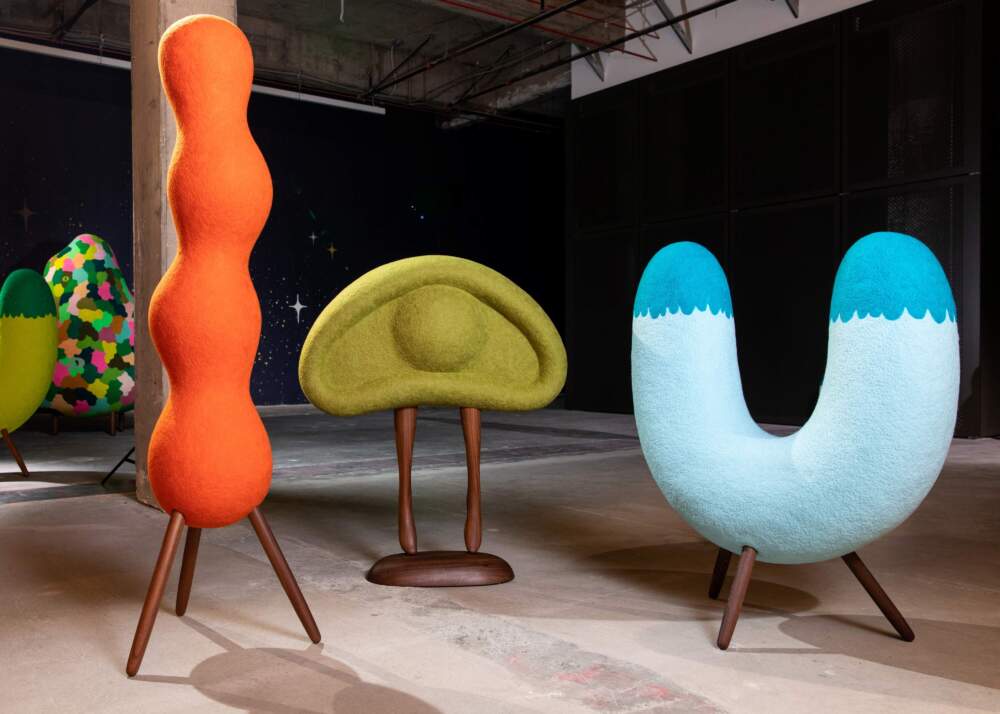
Artist Masako Miki develops an experimental galactic world featuring large-scale semi-abstracted felted wood sculptures. “Midnight March” reflects on nature, Japanese yōkai (supernatural beings) and Shintoism (an indigenous Japanese faith) to explore multicultural identities. Miki works to foster inclusion through her otherworldly art, blending the Indigenous culture of Japan (where she was born) with the freedom from her time living in California.
Through May 10

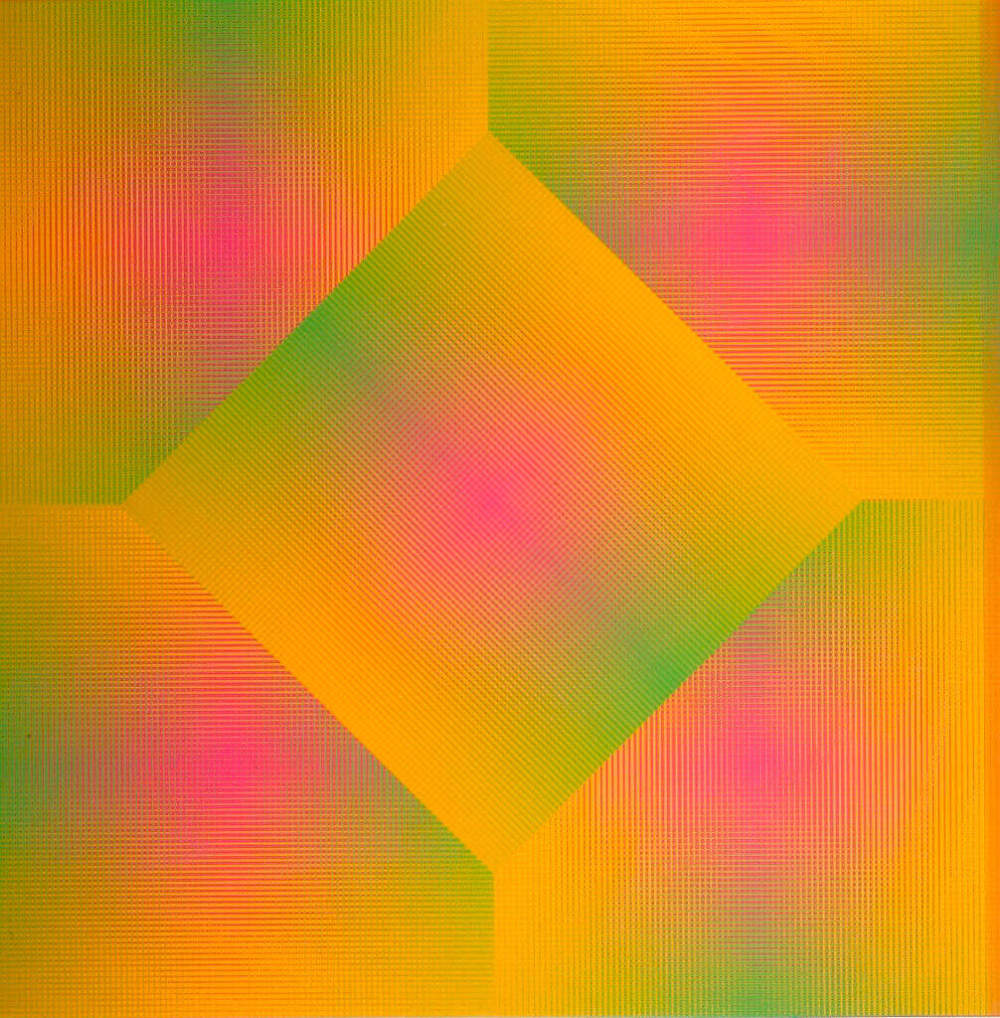
Harvard Art Museums’ “Critical Printing” exhibition was intended to evoke interesting conversations. The exhibition showcases “unexpected juxtapositions among little-known prints.” “Critical Printing” also explores the ways prints can store and release energy and open portals to other worlds. Katayama Toshihiro’s “Diamond” seems to open a plane to another dimension with its bright, almost buzzing pink and orange hues and diamond shape in the center. This exhibition is on view in the University Teaching Gallery, where small-scale, semester-long installations are developed to support students’ critical analyses of art.
Through July 28

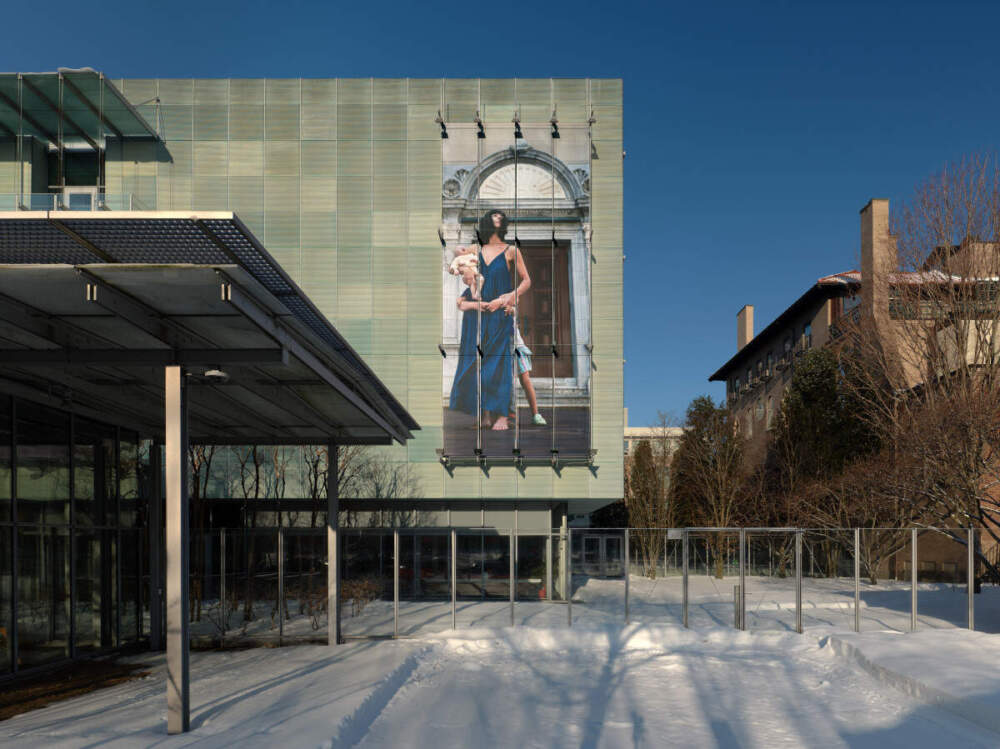
The Isabella Stewart Gardner Museum’s artist-in-residence Jamie Diamond explores the fantasy and reality of motherhood in her work “Monstra Te Esse Matrem.” On display on the museum’s façade, the photograph depicts Diamond gazing up at the sky while holding a baby with a young child wrapping their arms around her waist. When Diamond was a child herself, she realized her own mother wasn’t the idealized matriarch she imagined. Diamond wrote a letter to herself about the type of mother she wanted to be, which led to her long engagement with motherhood. “Monstra Te Esse Matrem,” meaning show yourself to be a mother, is a daring self-portrait evoking the question: What does it mean to be a mother? Diamond also has four related photos in “Persona: Photography and the Re-Imagined Self,” which runs through May 10.
Through Nov. 14

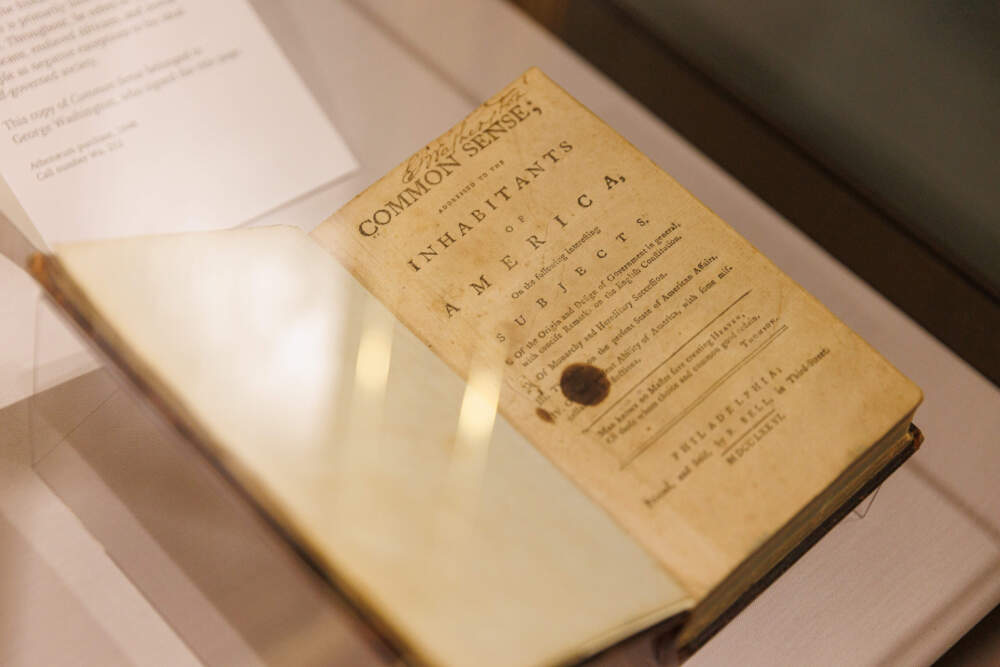
“Imagined Nation” honors the 250th anniversary of the United States through works by artists, writers and printmakers with their own ideas of the future of the country from 1776 until present day. The Boston Athenaeum will showcase rare and unexpected books from George Washington’s personal library, including “Common Sense” by Thomas Paine. The exhibition will also feature early printings of the Declaration of Independence and World War-II era posters that examine revolutionary ideals throughout the centuries.
Through Jan. 3, 2027

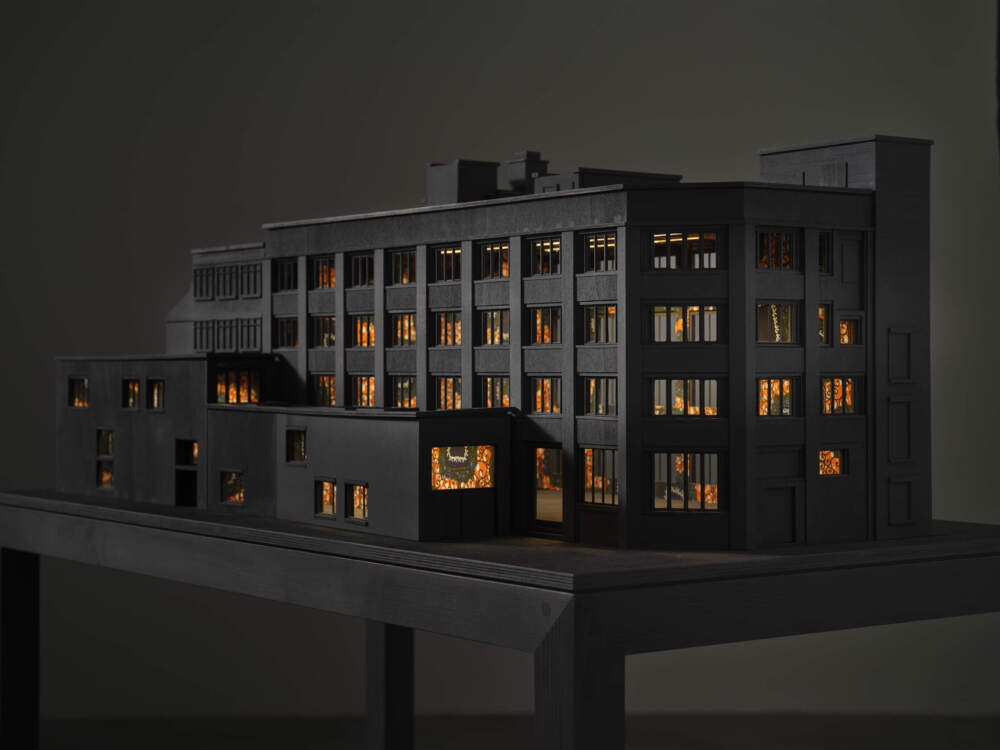
British-Nigerian artist Yinka Shonibare’s “Sanctuary City” is making its U.S. debut at the Rose Art Museum. The work is composed of 18 scaled-down replicas of historic and contemporary buildings that have served as shelters for refugees. “Sanctuary City” is displayed in a dark gallery with lights emanating out of the black painted structures to symbolize hope. Shonibare reflects on shelter as a human necessity where access fluctuates depending on governance, stability and power dynamics. Viewers are invited to ponder “who is granted safety, who is excluded, and what responsibility societies bear in offering refuge today.”
Through Jan. 24, 2027

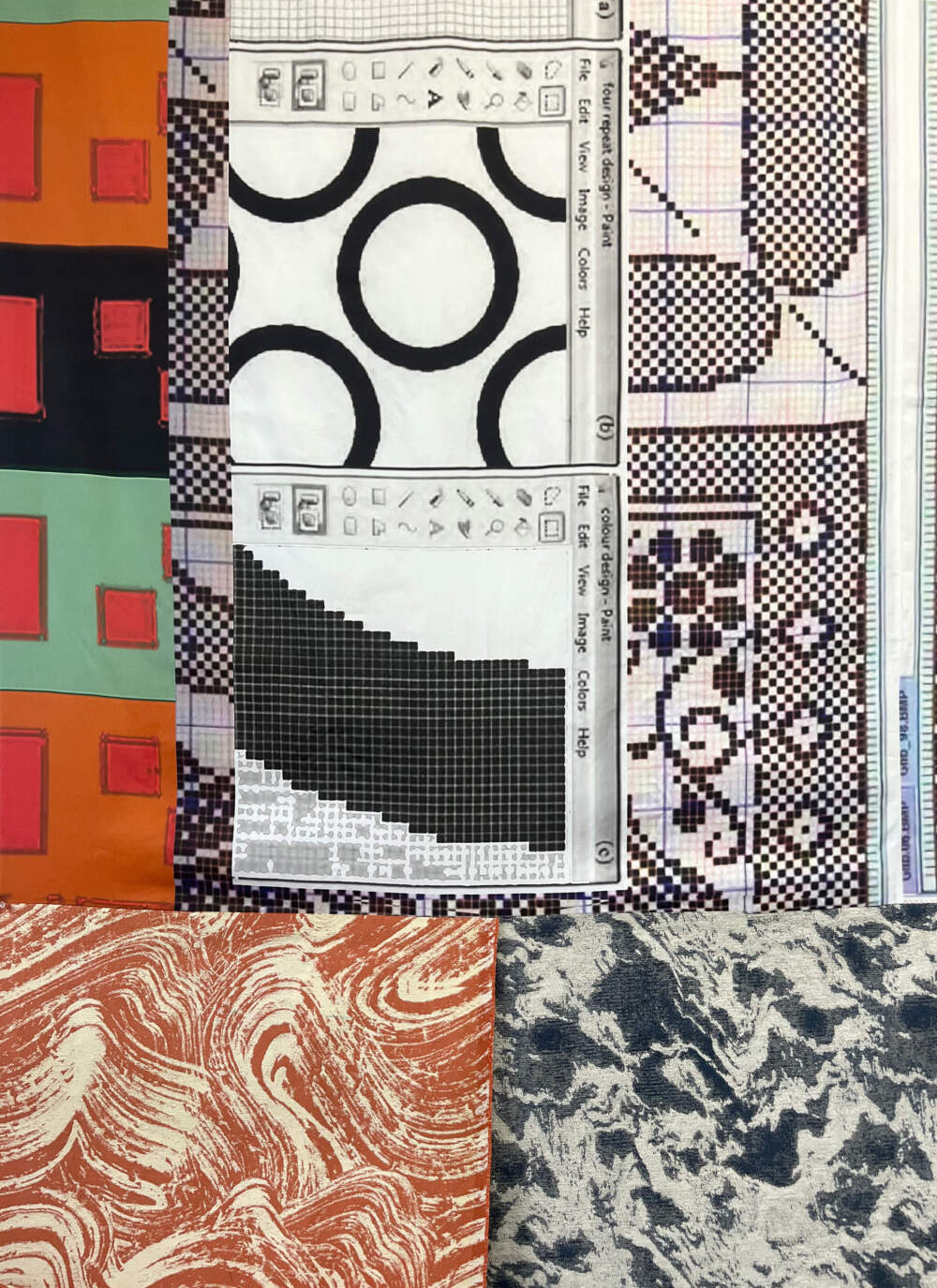
The Clark Art Institute has three major installations by Sónia Almeida currently on display. Almeida hails from Lisbon, and she is a professor of fine arts at Brandeis University. Her work explores “the circulation of images and the status of painting in a post-digital age.” “Stages” ruminates on the theatricality of visual art and the process and steps in crafting Almeida’s mixed media work. Her pieces collage multiple patterns together with flowing colors, diagrams and instructional materials.
March 15-June 28

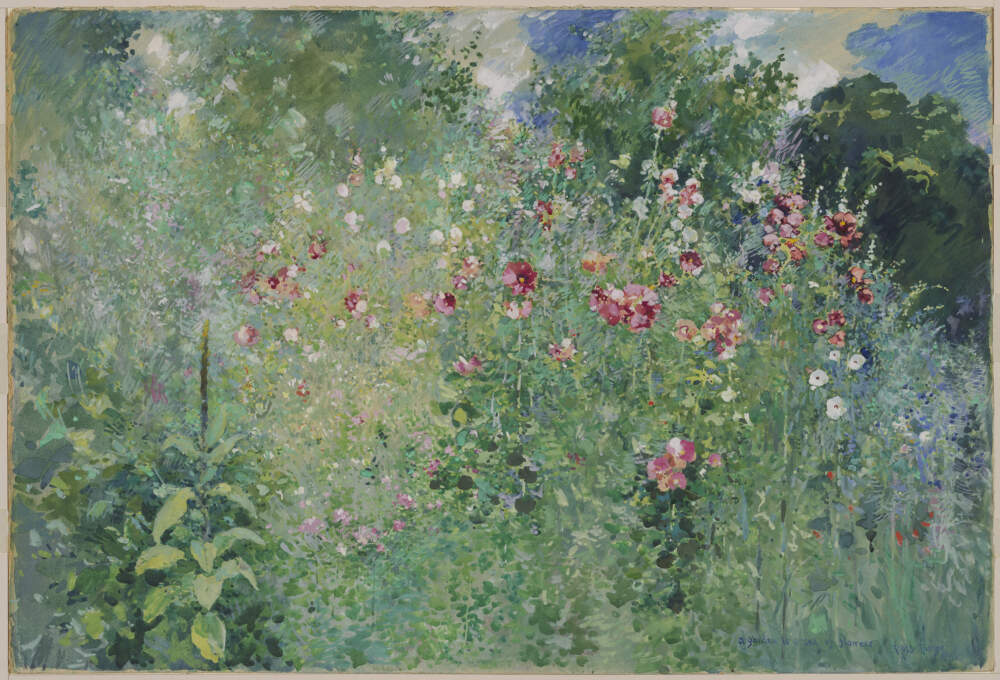
The Museum of Fine Arts explores natural landscapes and seas of sprawling gardens filled with stunning florals and vivid greenery. The exhibition includes work from across the museum’s global collection, from modern and contemporary prints to Chinese scrolls. “Framing Nature” showcases favorites and unseen works that focus on gardens as birthplaces of creativity and imagination, including Ross Sterling Turner’s watercolor “A Garden Is a Sea of Flowers,” which features vibrant pink and white florals growing from wild green plants. “Framing Nature” aligns with the 50th anniversary of the MFA’s Art in Bloom, a spring tradition where florists create arrangements inspired by works across the museum.
April 4-Aug. 2

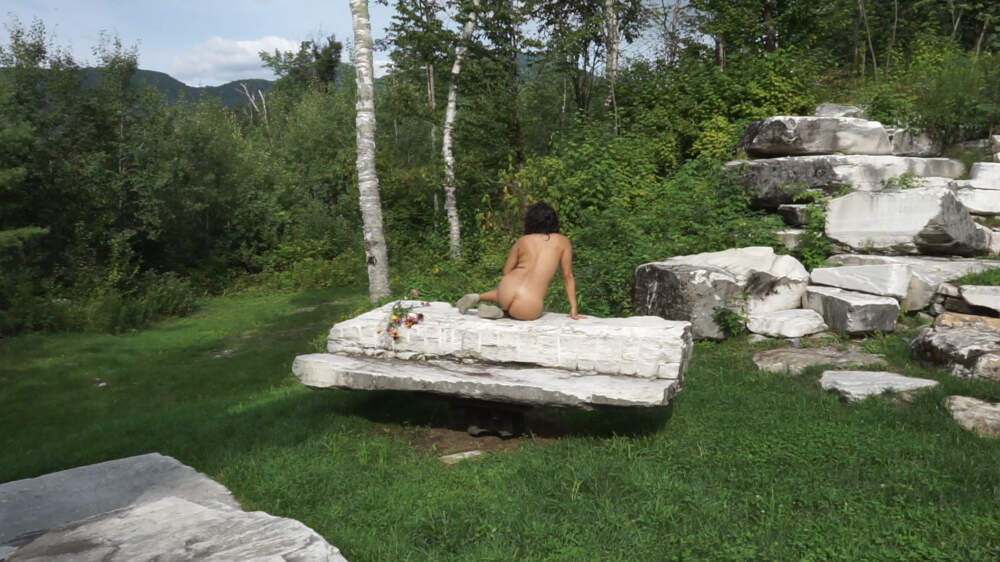
Also at the MFA, a dozen contemporary artists reflect on the objectification, exploitation and erasure of nude representation in Western art history. In “Subvert, Repair, Reclaim: Contemporary Artists Take Back the Nude,” these artists challenge gender structures and power imbalances that still persist today. The artists work across performance, video, painting, sculpture, photography, sound and collage to challenge destructive narratives and develop their own means of resistance. Ibarra’s video performance “Turn Around Sidepiece” (2018) explores the idea of being used and discarded and held on the sidelines of history. The artist declines to show her face while sitting on a spinning marble bed in the woods of Vermont. She poses in ways that evoke the subjects in works by 20th-century painters Paul Gauguin, Édouard Manet and William-Adolphe Bouguereau.
April 11-Aug. 2

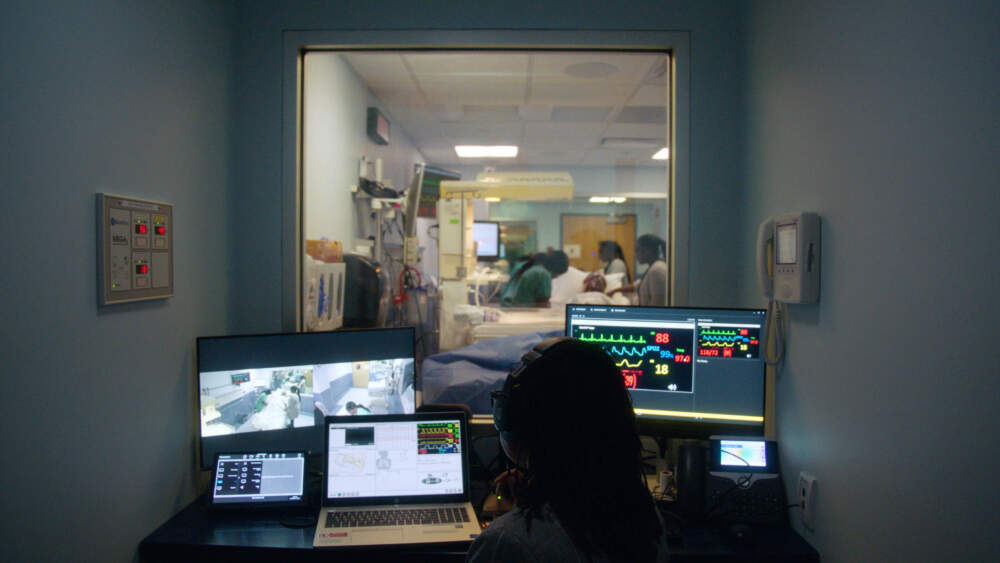
“Performing Conditions: Artistic Labor and Dependency as Form” explores the strained relationships between art, labor, debt and dependency. The 28 artists featured examine different facets of labor, from factories to hospitals. Many of the works rely on each other, exemplifying the constant debts of social life. The exhibition also reflects on racial capitalism and the ways it steals creativity. Carolyn Lazard’s “Fiction Contract” archives a childbirth simulation performed by an all-Black team with a Black birthing mannequin. Before 2020, nearly all medical mannequins were white, so this work shows an important stride in deconstructing racial capitalism.
April 16-Sept. 7

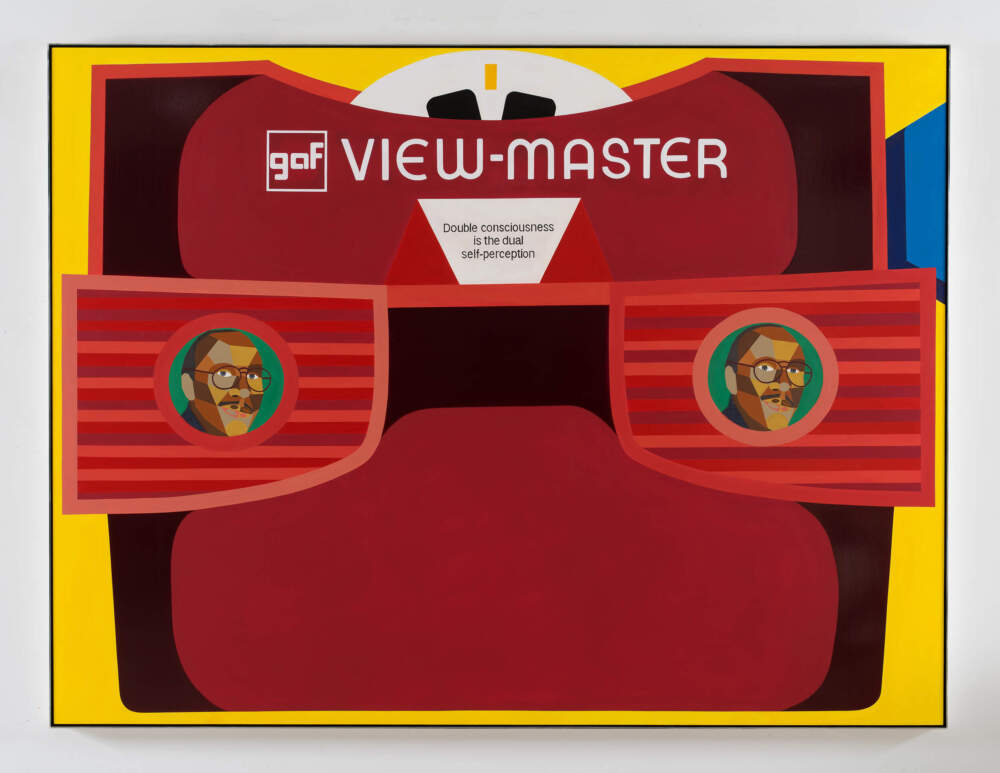
“View Master” is the first mid-career survey of New York-based artist and performer Derrick Adams’ work. This exhibition at the Institute of Contemporary Art/Boston encompasses 20 years of his paintings, sculptures, collages, performances, videos and public projects. Adams centers his practice around Black identity and culture. He utilizes shapes and patterns to create dimension in his portraiture, and he often focuses on meaningful moments in everyday life. “Only Happy Thoughts” features a young Black girl in vibrant colors with a beaming smile and hair made out of tootsie rolls, and “View Master” depicts a view master with the collaged face of a Black man with a soft gaze.
April 18-March 28, 2027
“Forest of Here” is a whimsical textile-focused installation by New York-based artist Jeila Gueramian. Woven structures grow from the floor across the ceiling like a vibrant tree. The site-specific work merges kinetic, sound and light elements to immerse visitors in the piece. “Forest of Here” is crafted from fiber works, found objects and upcycled materials. Gueramian’s work examines the beauty of art, nature and technology working together. Also at Fuller Craft, “MORE CLAY! The Power of Repetition” showcases the way clay can be used to “build powerful ceramic sculptures through accumulation, repetition, and innovative feats of construction.” The exhibition runs March 28 through Feb. 27, 2027.
May 2-July 25, 2027

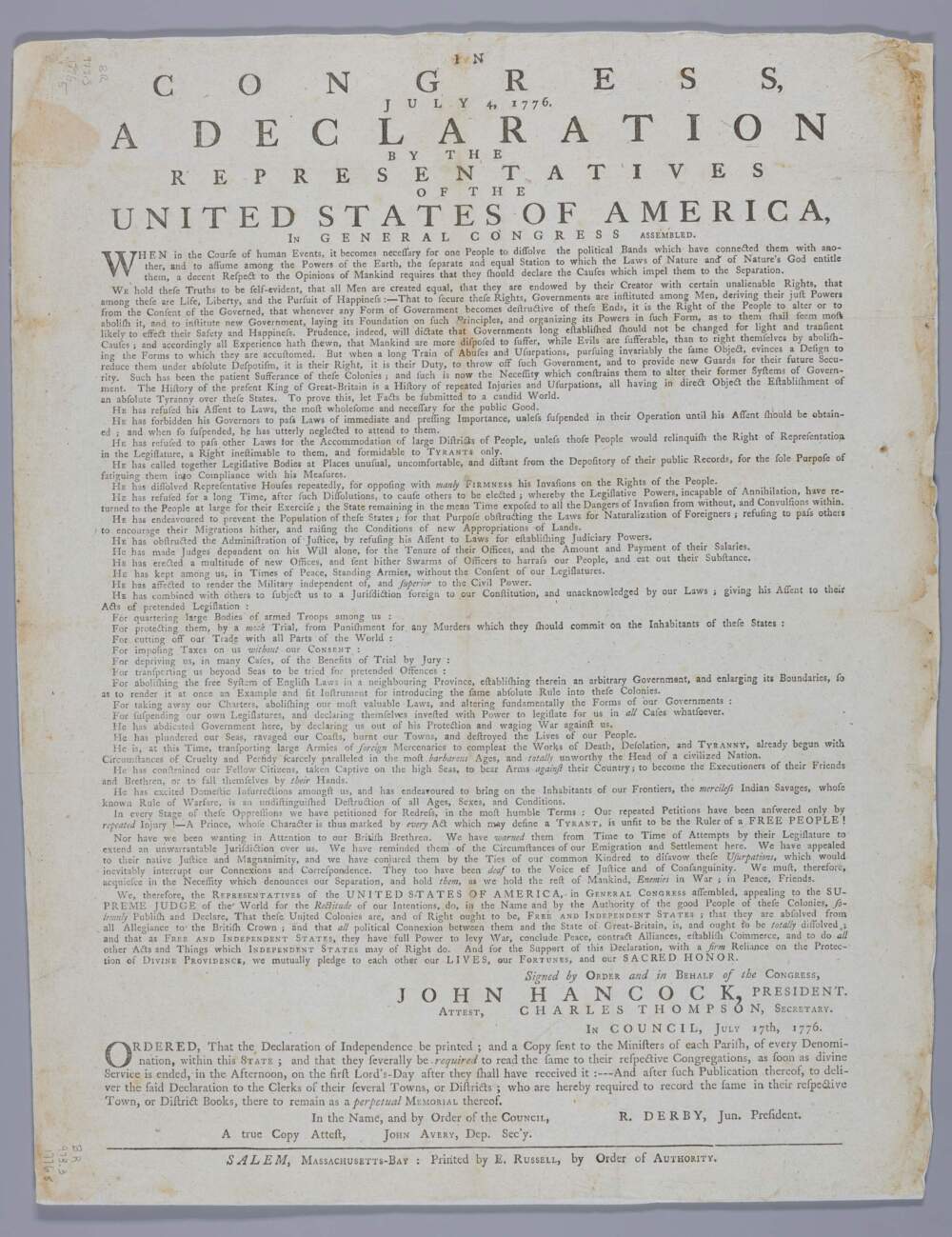
It may not be widely known, but Salem holds crucial connections to the Declaration of Independence. Local printer Ezekiel Russell published and disseminated copies across Massachusetts in 1776. “Pressing Importance” will showcase two of the earliest broadside editions of the Declaration of Independence as well as Revolutionary-era manuscripts, newspapers, pamphlets and broadsides that further exemplify the nation’s founding values of democracy. This exhibition runs during celebrations of the 250th anniversary of America’s founding and the 400th anniversary of European settlement in Salem.
‘Lucy Raven: Rounds‘
Institute of Contemporary Art/Boston
May 20-Sept. 7

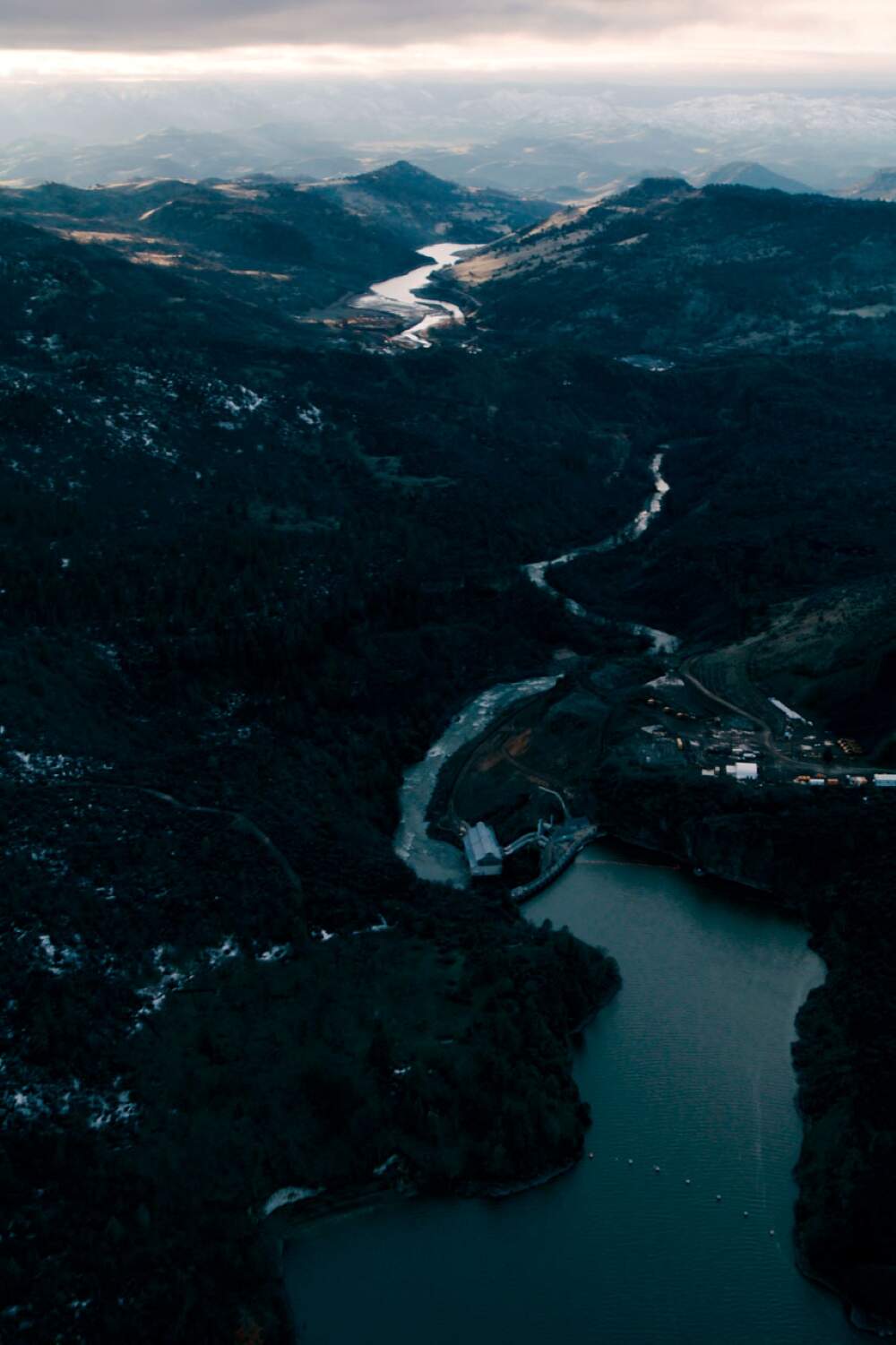
“Rounds” at the Institute of Contemporary Art/Boston’s Watershed features two installations by Arizona-based artist Lucy Raven. The interdisciplinary artist explores the moving image through the lens of appreciation for the American West. The exhibition will showcase the U.S. premiere of “Hardpan,” a large-scale light sculpture co-commissioned with the Barbican Centre in London, and “Murderers Bar,” a new moving image installation. “Murderers Bar” is the third and final film in Raven’s “The Drumfire” series. The film utilizes aerial and underwater imagery to examine the removal of a 100-year-old concrete dam along the Klamath River in Northern California and the river now running through the region.

