

Yutaka Yamada is a contemporary art collector and the grandson of Naoya Shiga, who is known as the “God of Novels.” In this series, I will introduce his collecting life, works he is particularly attached to, and stories about his grandfather, Naoya Shiga.
In this ninth installment, I would like to focus on “Yuka Contemporary,” which manages contemporary artists, sells their work, and plans and hosts exhibitions, as well as the story of how an unexpected remark from Mr. Yamada influenced the work of contemporary artist Akira Yoshida, who is affiliated with the gallery, and how he came to purchase it for his collection.
Table of Contents
・Relationship with Yukari Mitsu of “Yuka Contemporary” and the affiliated artists
・”I prefer the type that doesn’t have one”
・If it’s painful either way
・And then to the “Empty Bears” exhibition
・Not bears, but teddy bears as a motif!
・”Yutaka Yamada’s Perspective – As the Grandson of Naoya Shiga -“
Relationship with Yukari Mitsu of “Yuka Contemporary” and the affiliated artists
Mr. Yamada’s association with Yukari Mitsu of “Yuka Contemporary” dates back to around 2010, when the gallery operated by Yuka Contemporary was located in Gakugei-daigaku.
At that time, Mr. Yamada even had Kazuharu Ishikawa, who was affiliated with Yuka Contemporary, create a piece using thread to celebrate his 60th birthday.
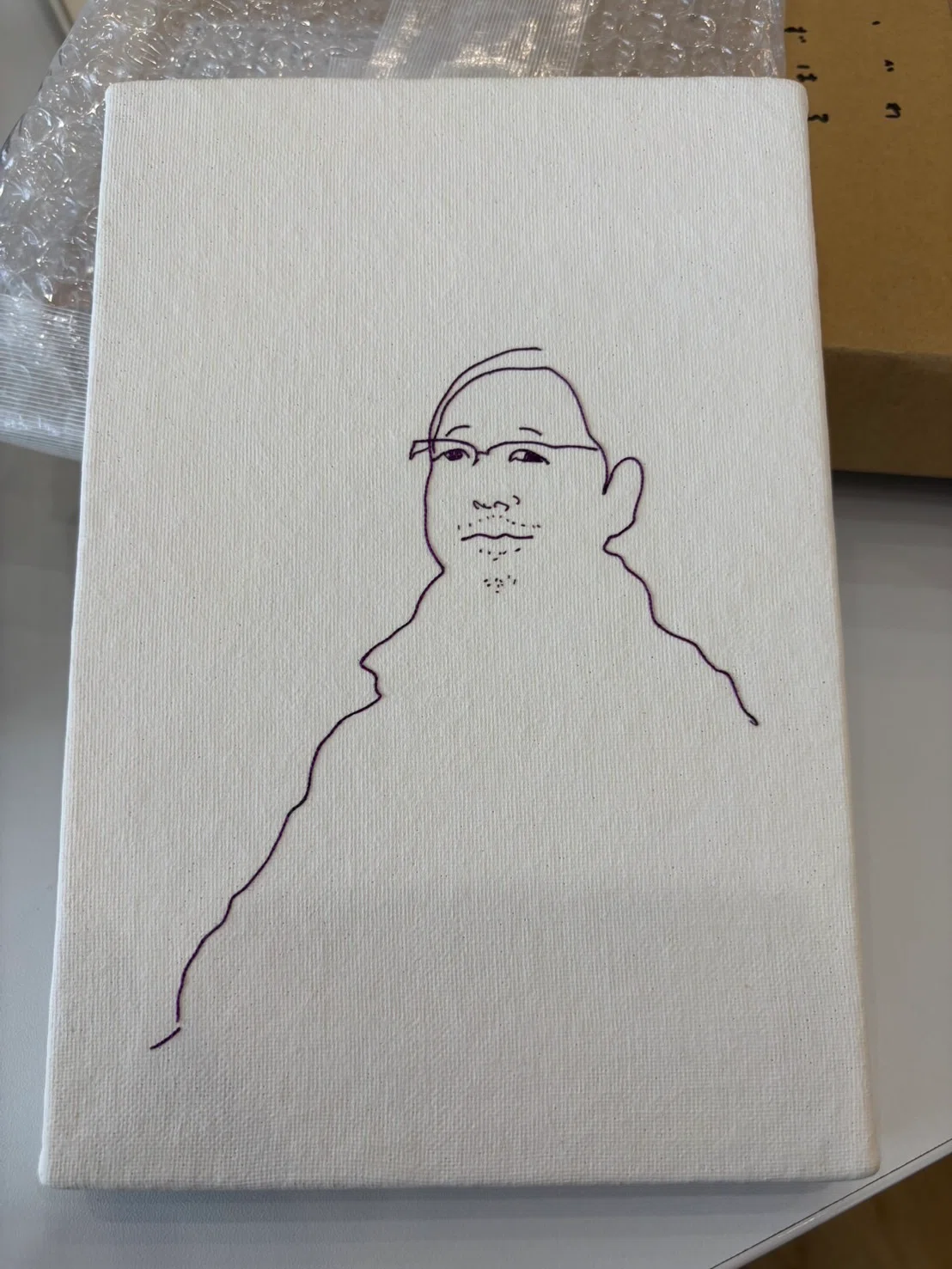
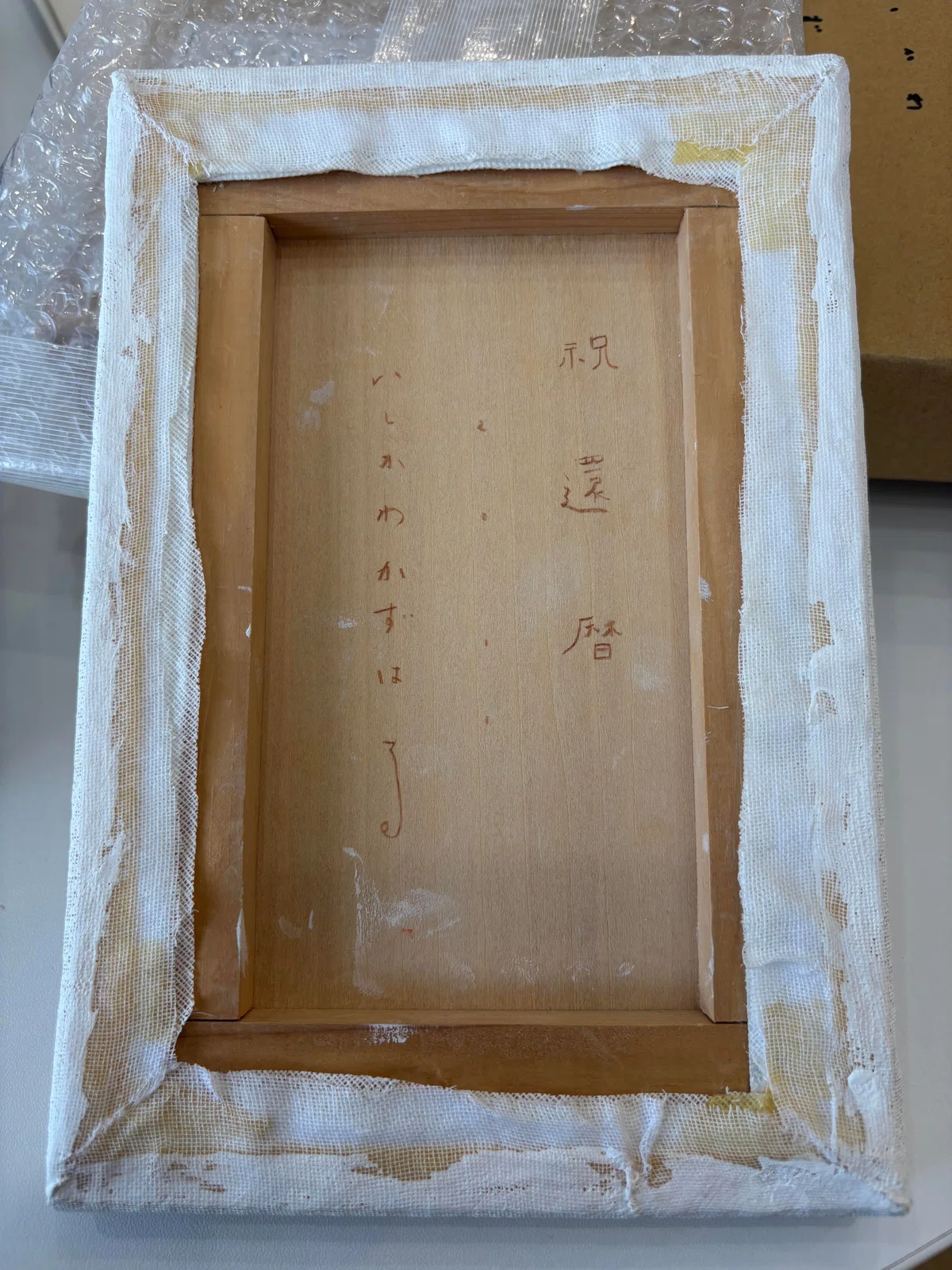
Because of that connection, Mr. Ishikawa, as well as Akira Yoshida and Shintaro Ohata, who are also affiliated with Yuka Contemporary, became friends who would visit Mr. Yamada’s home in Jiyugaoka.
Starting August 18th of this year, Mr. Yoshida’s “Shibuya Cat Papier-mâché” was permanently installed on the first floor of Shibuya FUKURAS as a new symbol of Shibuya, and at the time of its launch, Mr. Yamada visited the site along with Mr. Yoshida, Ms. Mitsu, and Mr. Ohata, who came to show his support.
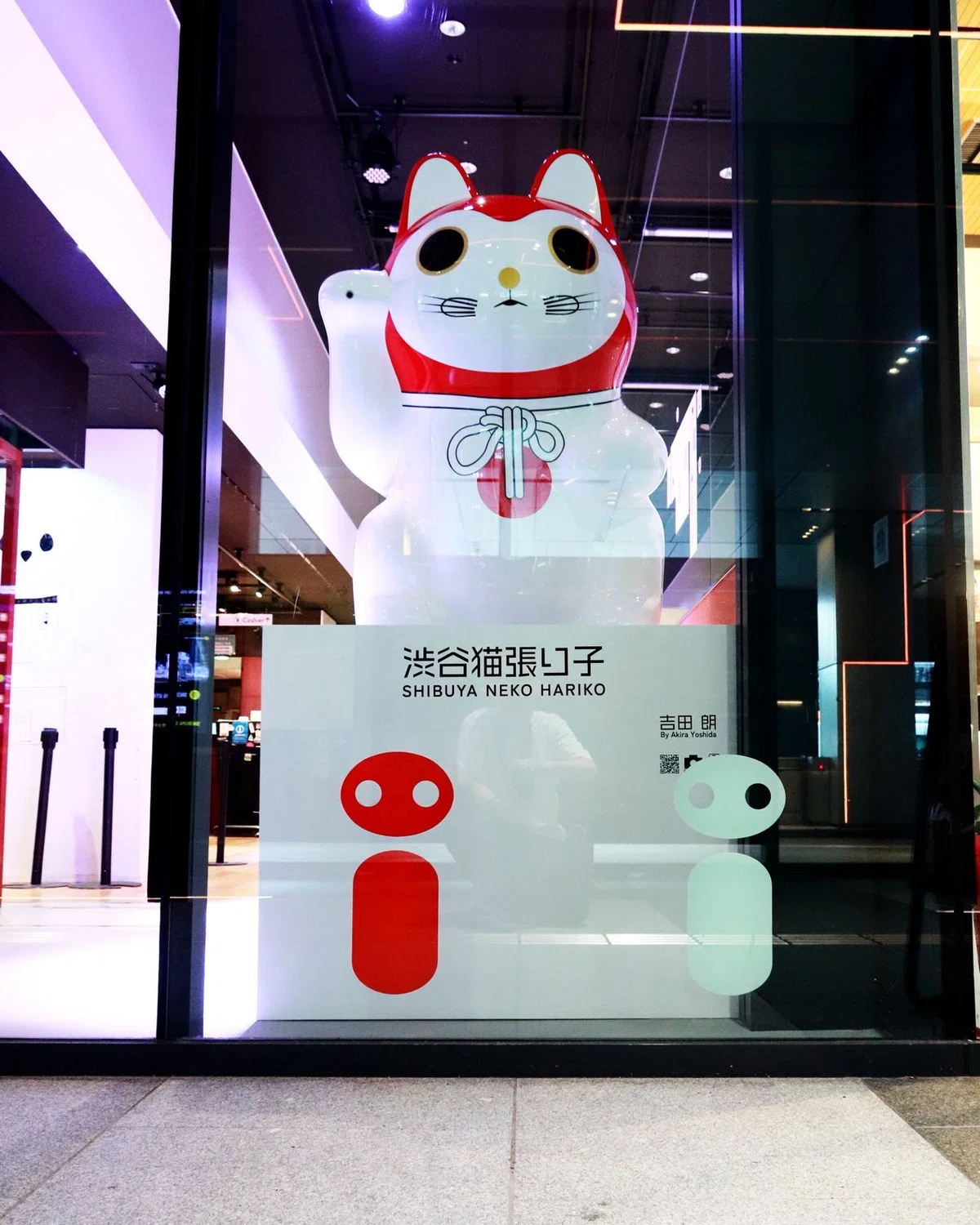
“At that time, I heard something unexpected from Ms. Mitsu. She said that the casual conversations Mr. Yoshida and Mr. Ohata had when they visited my home, and the stimulation they received from the various things placed in my room, led to the idea for Mr. Yoshida’s work ‘Empty Bears.’ I wondered a little if she was just being polite (laughs), but even so, it was very gratifying to hear that the time spent in my home became the catalyst for an artist’s work.”
“I prefer the type that doesn’t have one”
What Mr. Yoshida remembered all this time was a remark Mr. Yamada made: “I prefer the type that doesn’t have one.”
The type with a social message versus the type without.
I prefer the type without.
Mr. Yamada did not remember the conversation at the time, but it seems that was the sentiment behind his remark.
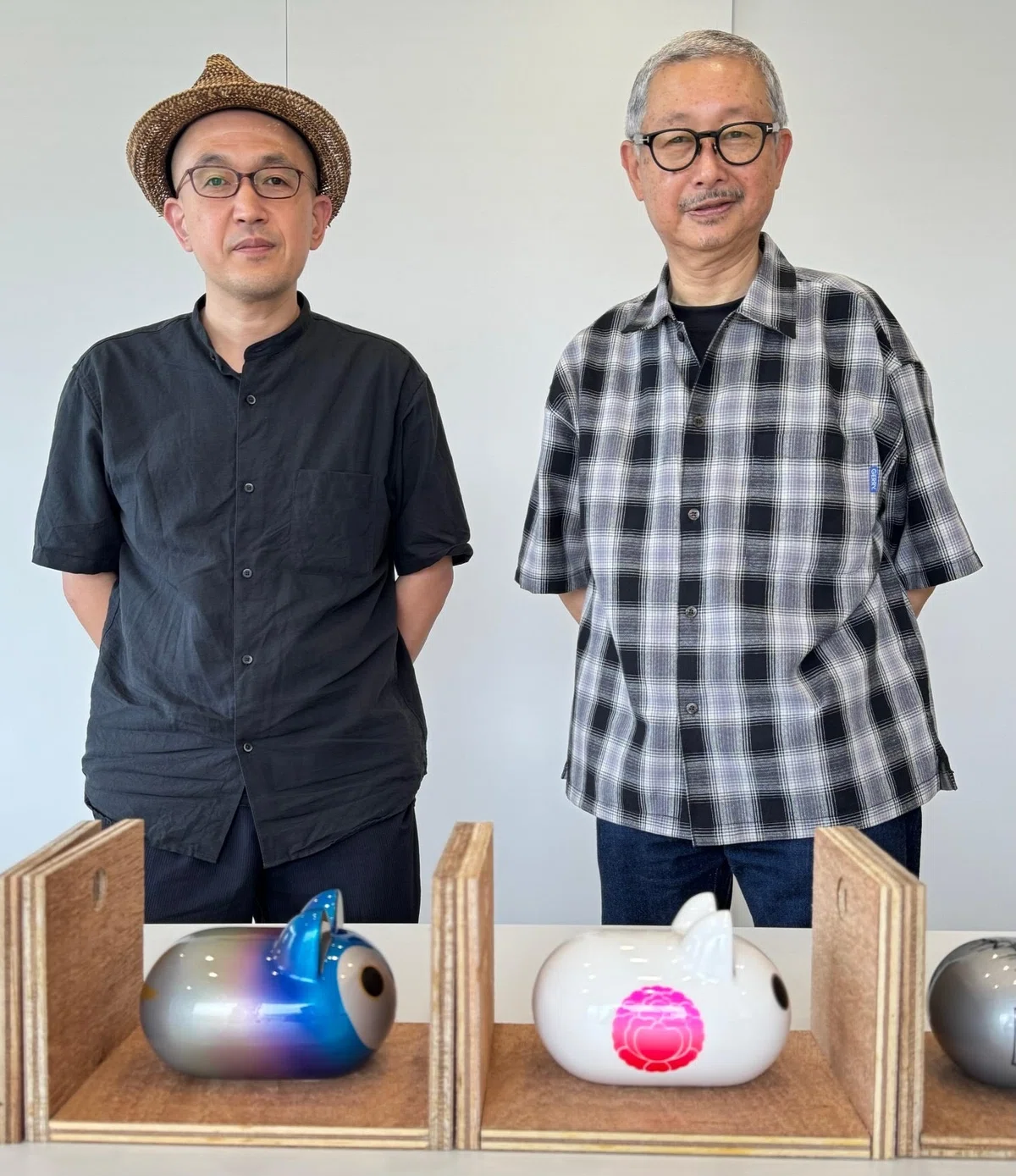
That day, Mr. Yoshida was also looking at the art collection lined up in Mr. Yamada’s home. Things that were somewhere between product and art, but leaning toward art, fit perfectly into his daily life.
“I thought that the way things fit in like this has a lot of potential,” said Mr. Yoshida.
Artists rarely have the opportunity to see what happens to their work after it is sold. There is also this way for a work to enter into daily life and settle in. Mr. Yoshida says he took that feeling home from Mr. Yamada’s house.
And the remark Mr. Yamada made when choosing one piece from the four that Mr. Yoshida had brought with him was what remained in Mr. Yoshida’s mind all this time.
If it’s painful either way
Over the course of about 25 years of creating, Yoshida says that sometimes he creates purely out of an interest in form and color, sometimes he includes a social message because he feels he ‘must, since it is contemporary art,’ and sometimes that message enters naturally.
“However, I feel that leaning too far in either direction makes the work feel shallow and painful, so I have always been going back and forth between the two.”
If you place works that are primarily sculptural alongside works with a strong message, the concept might become diluted. That is what one would normally think, but Yoshida was different.
“If it’s painful to go in either direction, then I might as well just display them together; it feels more real to me.”
Around the time of Yamada-san’s remark, ‘I prefer the type that doesn’t have (a message),’ Yukari-san also offered words that gave him a push.
“Yoshida looks at what is happening in society and reflects it in his work. It’s not about having an agenda or political consciousness; he calmly and dispassionately gives form to what he sees. Sometimes he is looking at society, and sometimes he is looking at form.” That was the gist of it.
“Because of that, I felt a great sense of relief.”
Within Yoshida, the conversation with Yamada-san and the words from Yukari-san overlapped, and he came to think, “It doesn’t have to be one or the other.”
“Rather than trying to become a contemporary artist, it has become more important to me to create based on my own comfort and sense of self. Now, I feel that it is up to the viewer to decide what that results in.”
And then, to the ‘Empty Bears’ exhibition
The bear series was created while holding onto that feeling.
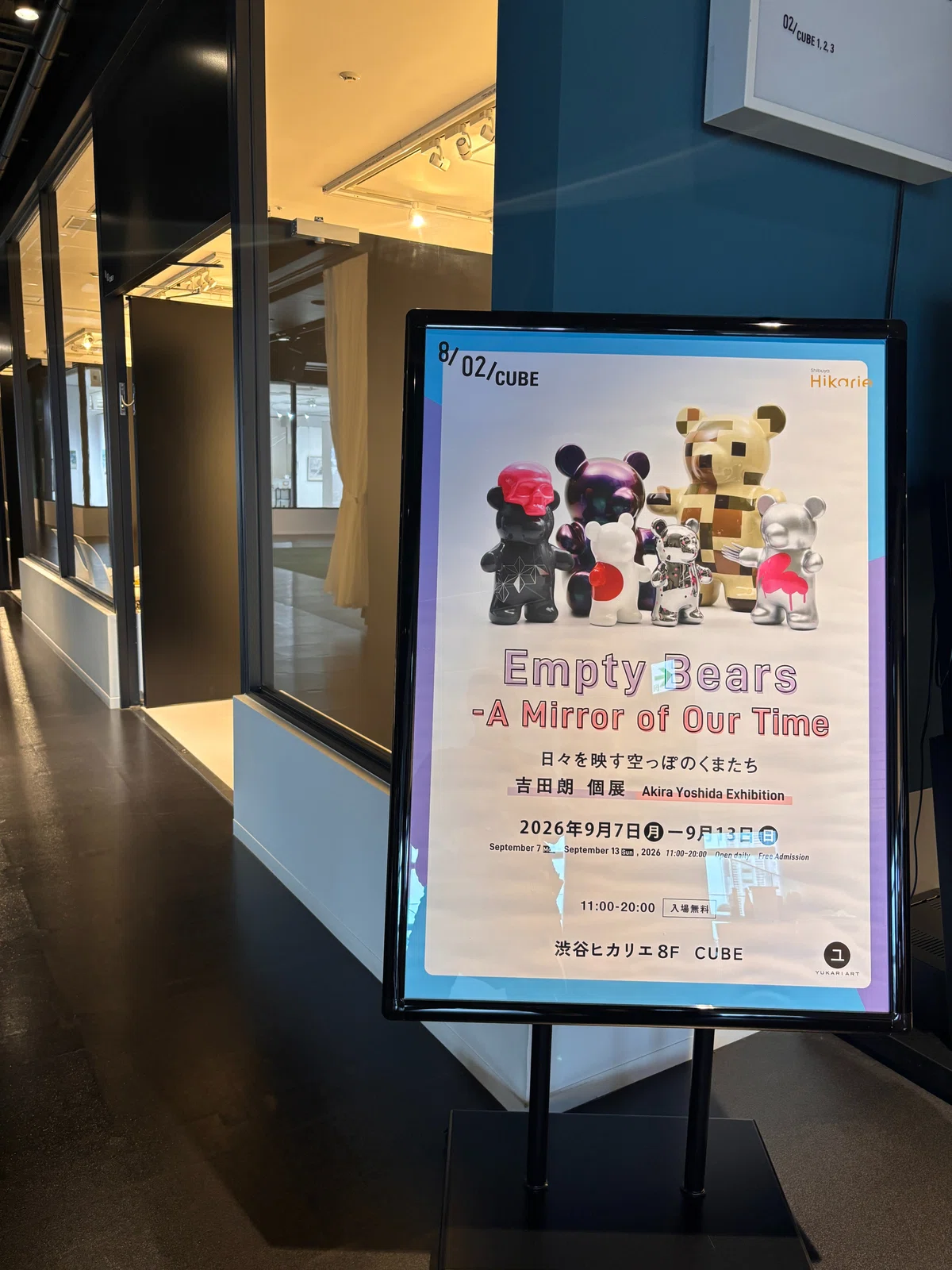
This was its first exhibition.
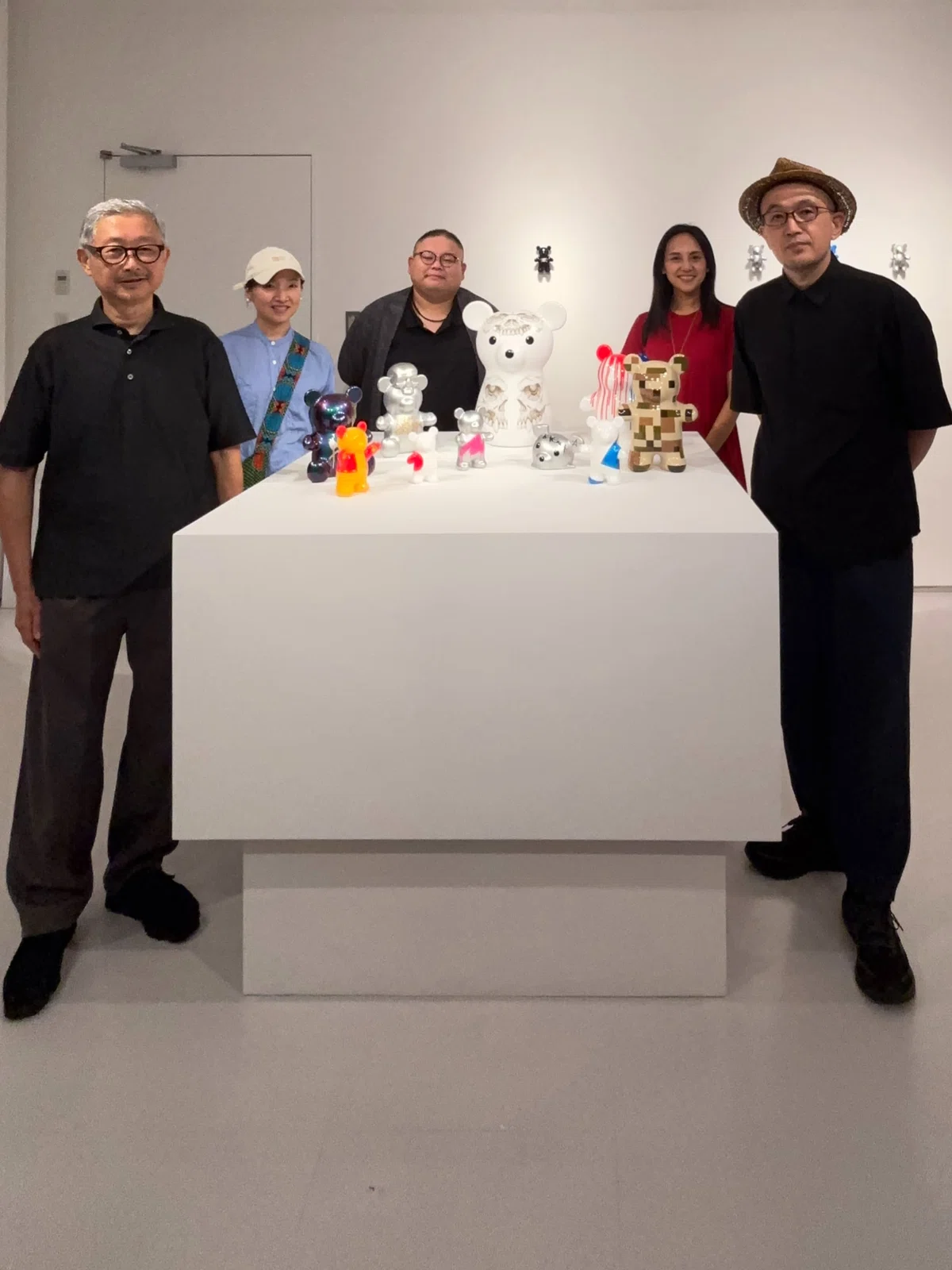
Yamada-san visited with Takashi Inamura, a curator at the Abiko City Museum of Birds and an observer of the Shirakaba Art Festival, and the author, who is also a director of the art festival.
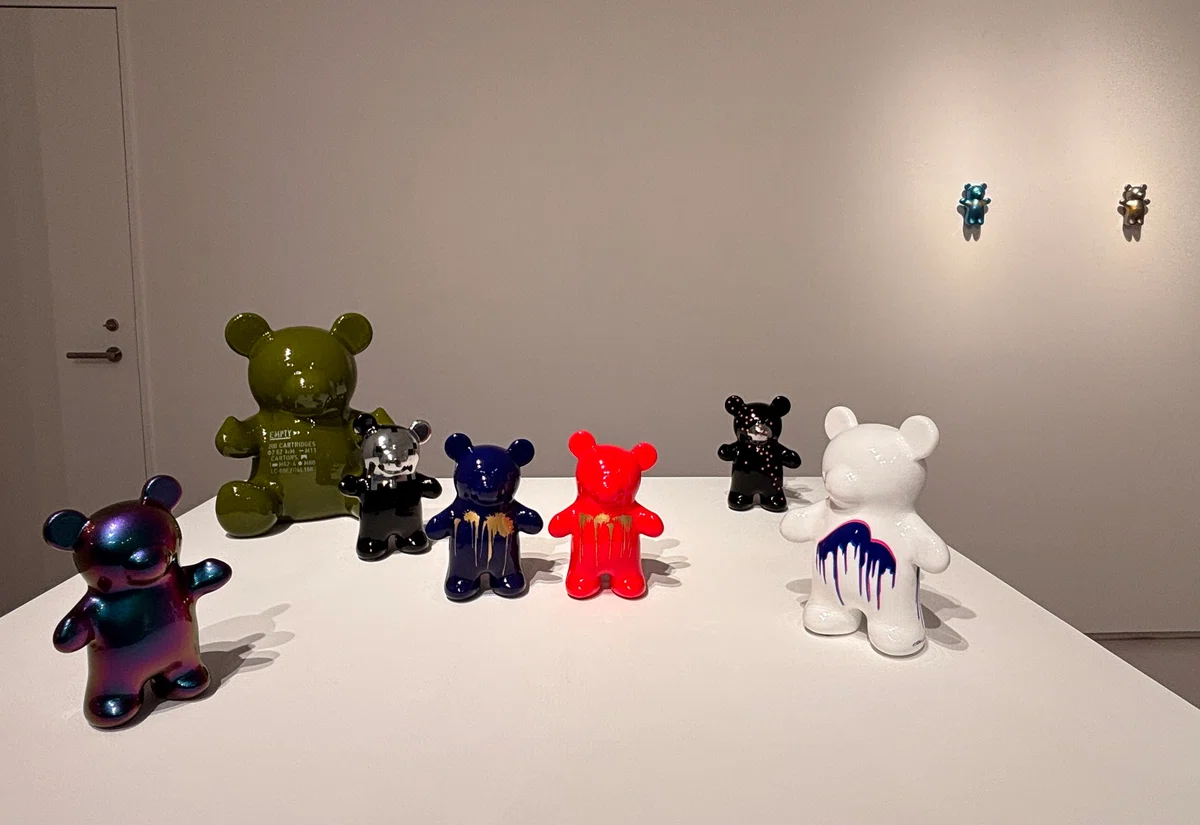
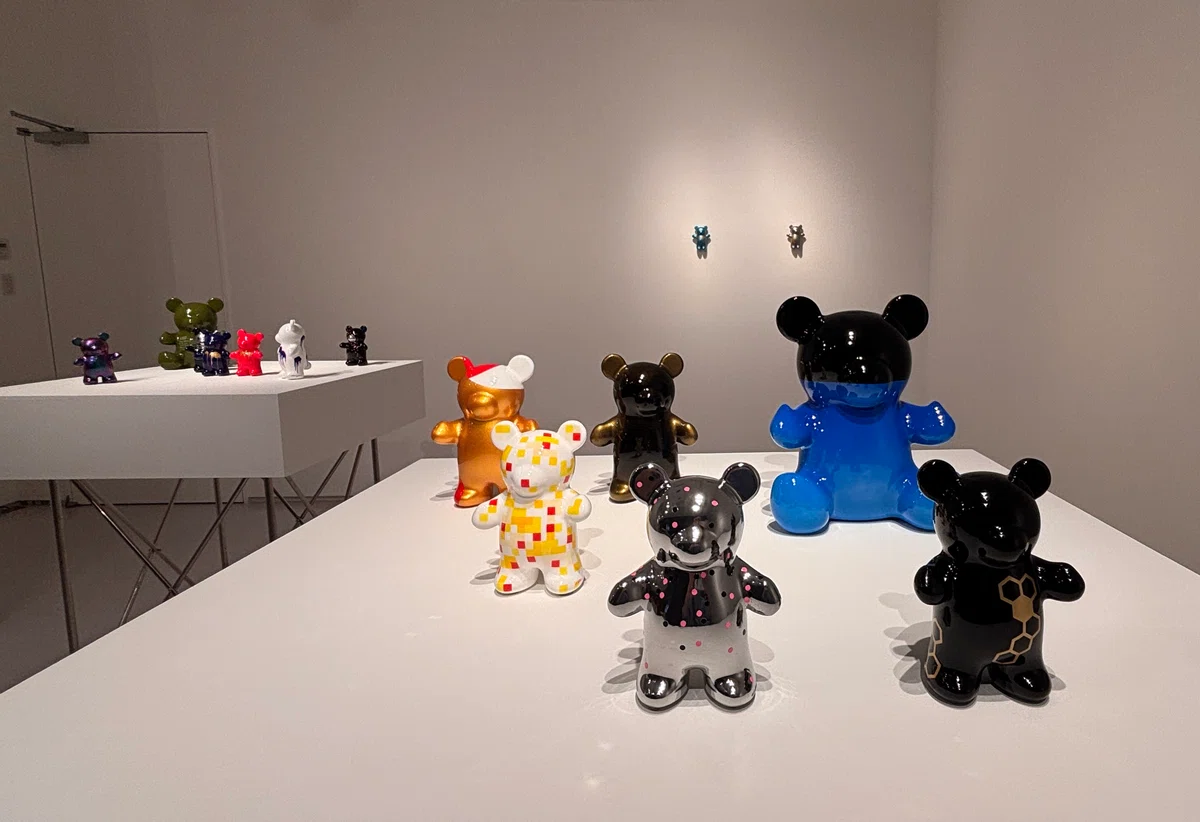
The venue was divided into three zones: works with a message, works without one, and a space showing past methods and materials.
It seems the venue just happened to be laid out that way. A coincidence was utilized as a composition that perfectly suits the present.
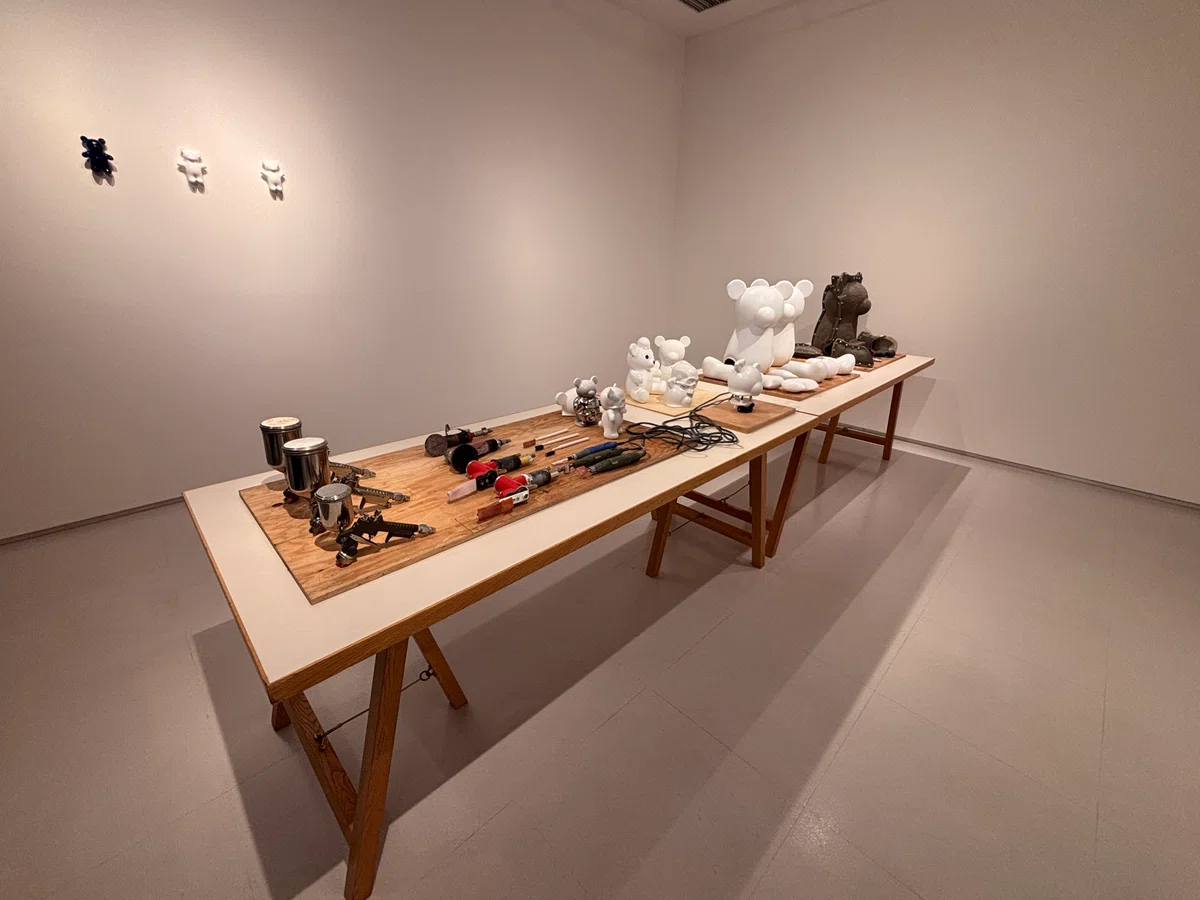
Not bears, but stuffed bears as the motif!
To begin with, why does Yoshida use dogs, cats, and bears as motifs?
“I don’t use realistic animals as motifs. Papier-mâché dogs, maneki-neko, teddy bears, Buddhist statues. I start with things that someone has already given form to, like traditional crafts or toys, and then I look at the meaning embedded in them and feel like I’m intentionally misunderstanding and rearranging that meaning.”
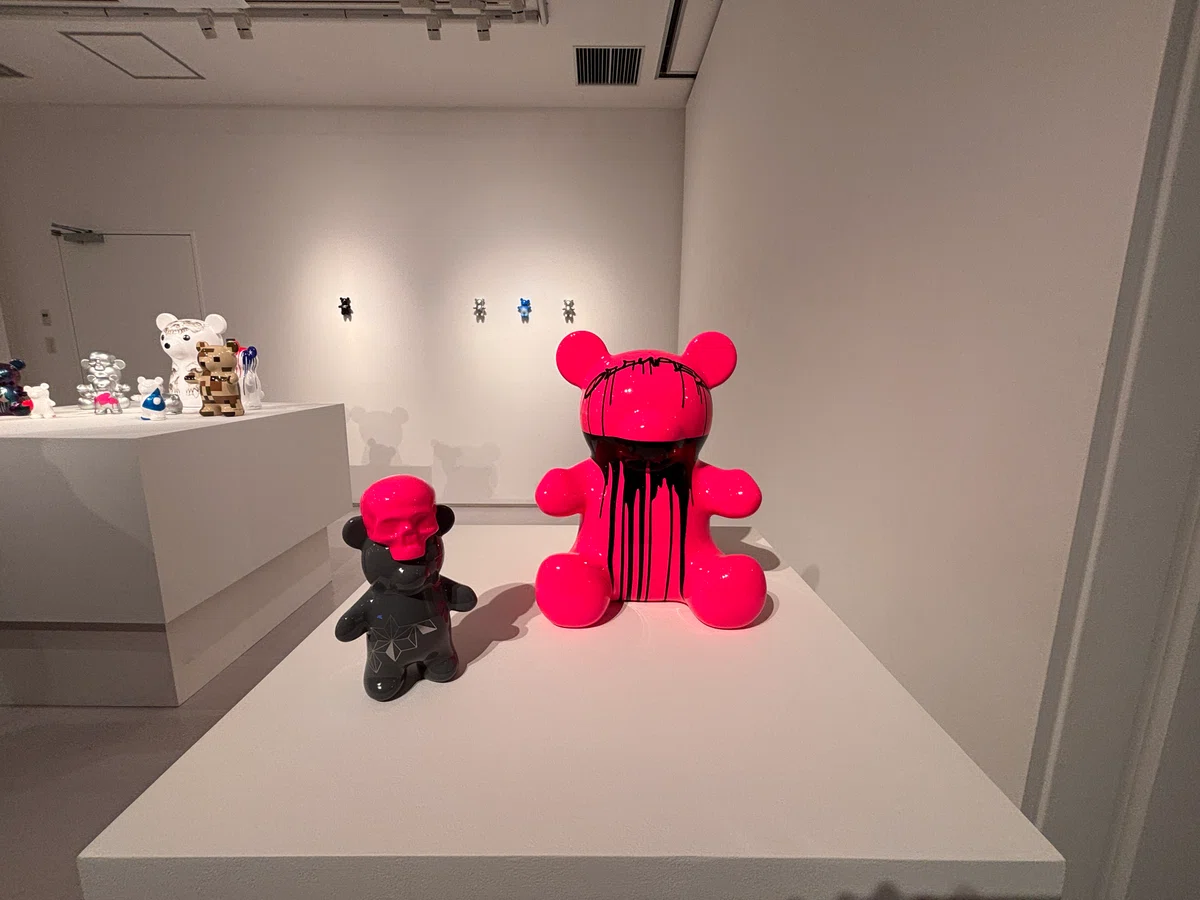
This time, too, the motif is not the bear itself, but a teddy bear. Someone looked at a bear and made it into a stuffed animal. He is taking something that has already been crafted by human hands and passing it through his own hands once more.
“Papier-mâché dogs are something that can symbolize Japan. However, it inevitably ends up being a story about Japan. If it’s a teddy bear, I might be able to say something about things other than Japan.” That was the reason he chose a bear this time.
While listening to the story, I was reminded of Mr. Yamada’s wood-carved dog.
I found it at a select shop in Kyoto called Sanmiya, bought it because I thought it was cute, and later found out that it was modeled after a wood-carved dog at Kozan-ji Temple in Kyoto. It was actually a dog that Naoya Shiga would always go to see whenever he visited Kyoto, and it was even recorded in an exhibition catalog.
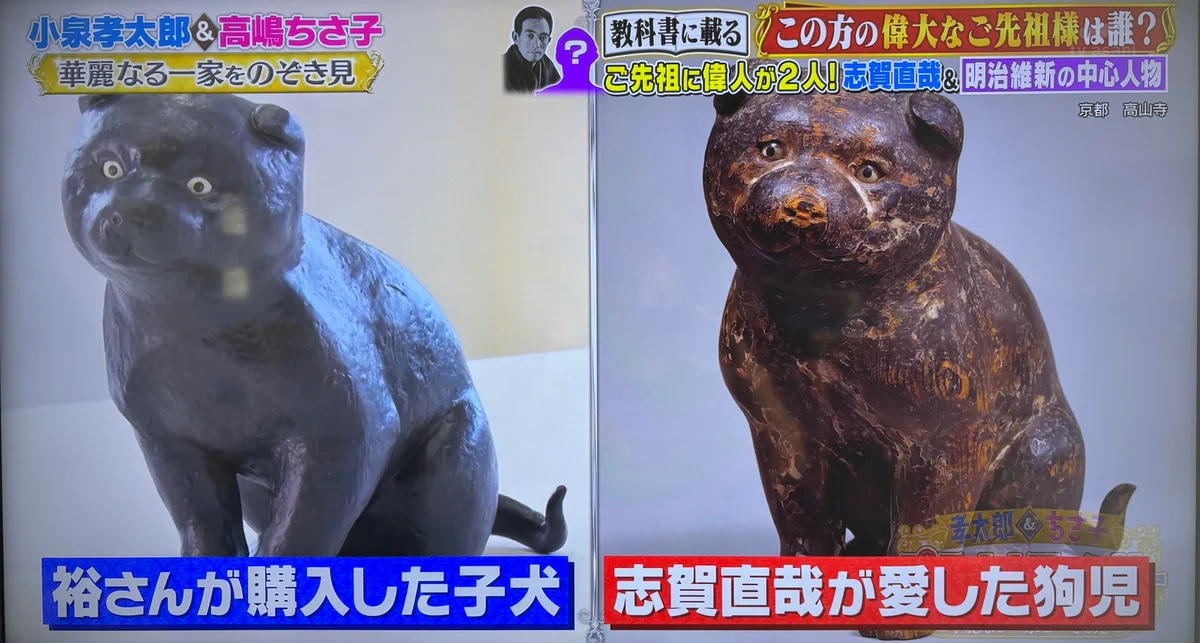
There is a dog carved by someone, there is a person who went to see it, and that person’s grandson takes it home, thinking it’s cute without knowing its history. There is someone who created art based on something someone else made, and another person goes to see it. I felt there was some link to what Yoshida has been doing all along.
“The Gaze of Yu Yamada – As the Grandson of Naoya Shiga -“
After Yoshida’s exhibition, Mr. Yamada purchased a piece. He said he liked the cute “Empty Bear” with its belly painted in pink.
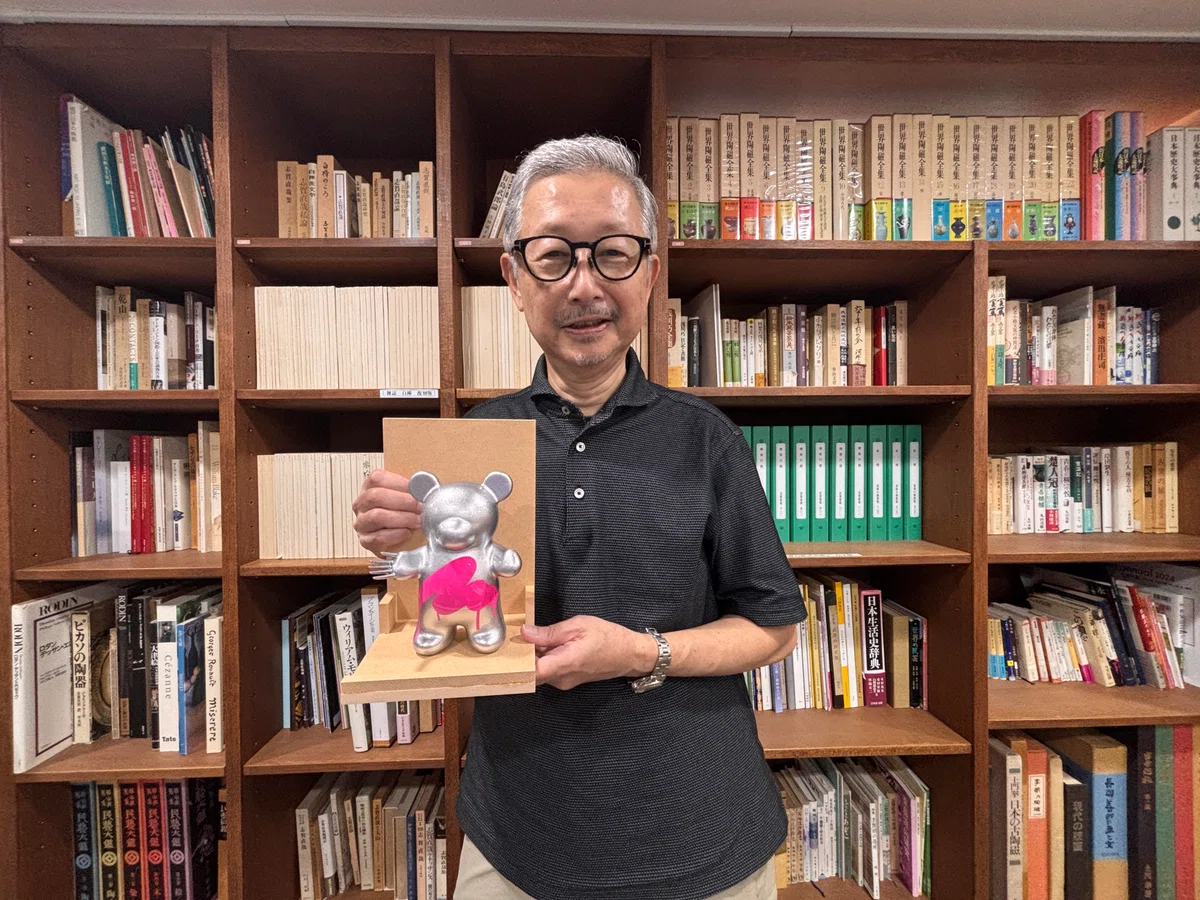
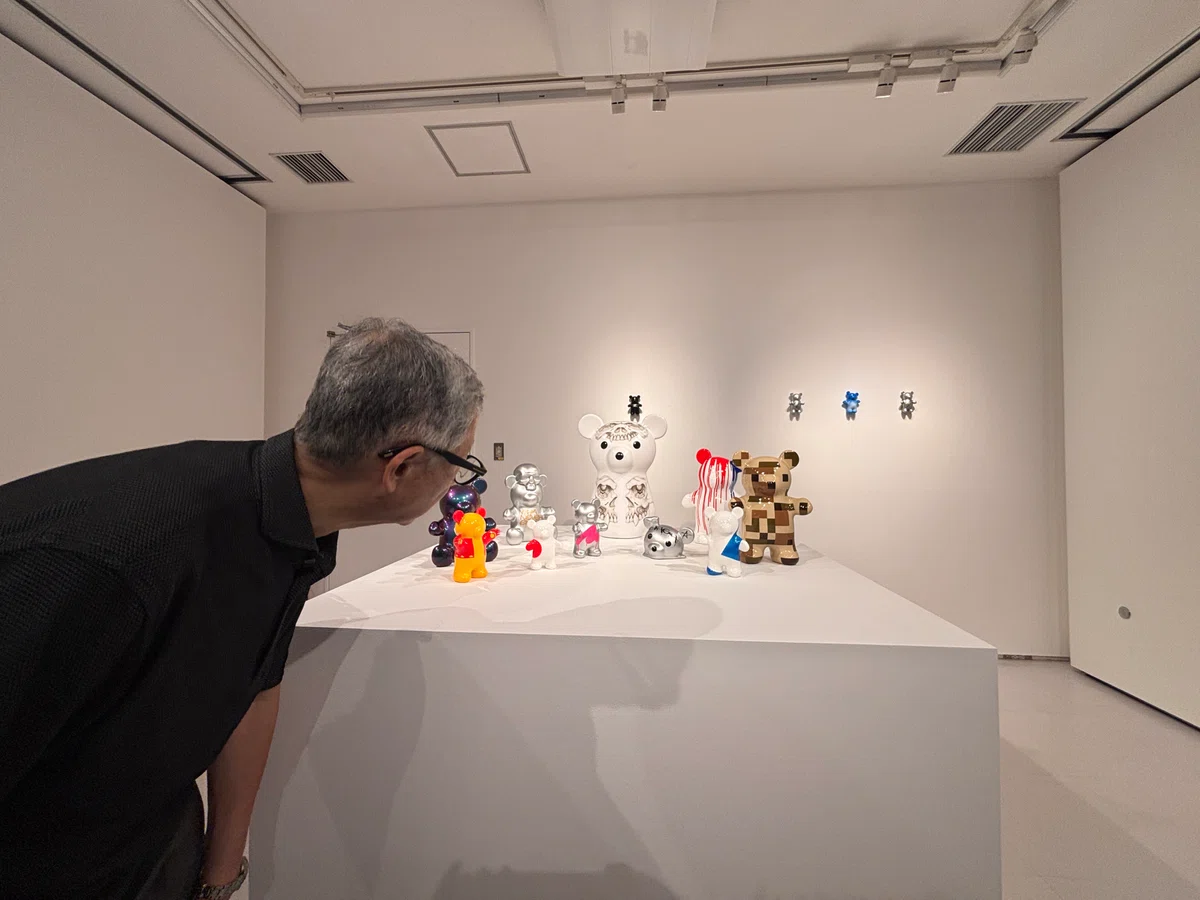
And a collection centered on contemporary art owned by Mr. Yamada, including that work, will be exhibited this autumn at the Shirakaba Literature Museum in Abiko City, Chiba Prefecture, in the form of “The Gaze of Yu Yamada”–As the Grandson of Naoya Shiga–“*!
*Part of the “Shirakaba School’s Gaze Exhibition.” A collaborative exhibition for the Shirakaba Art Festival ABIKO 2026
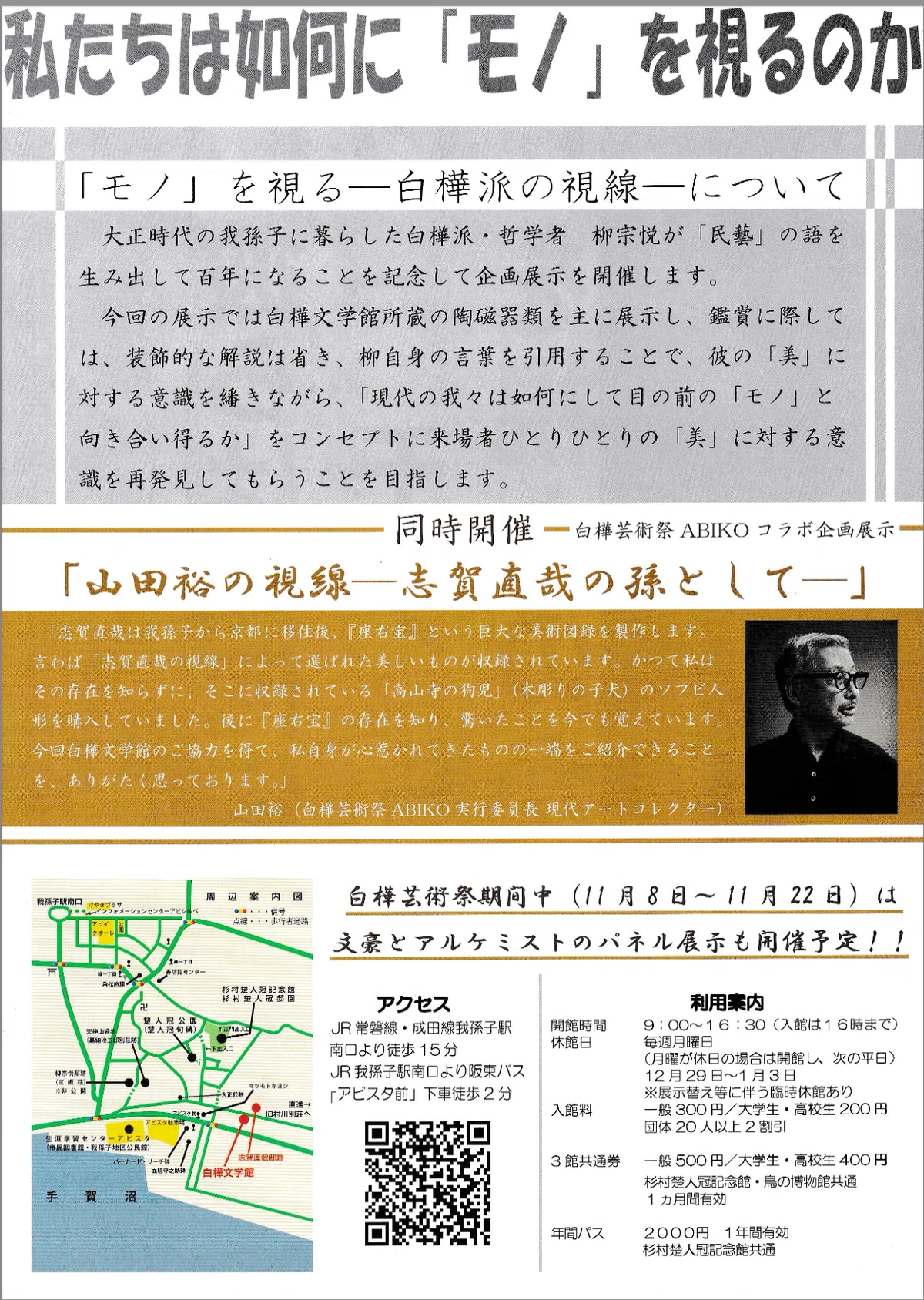
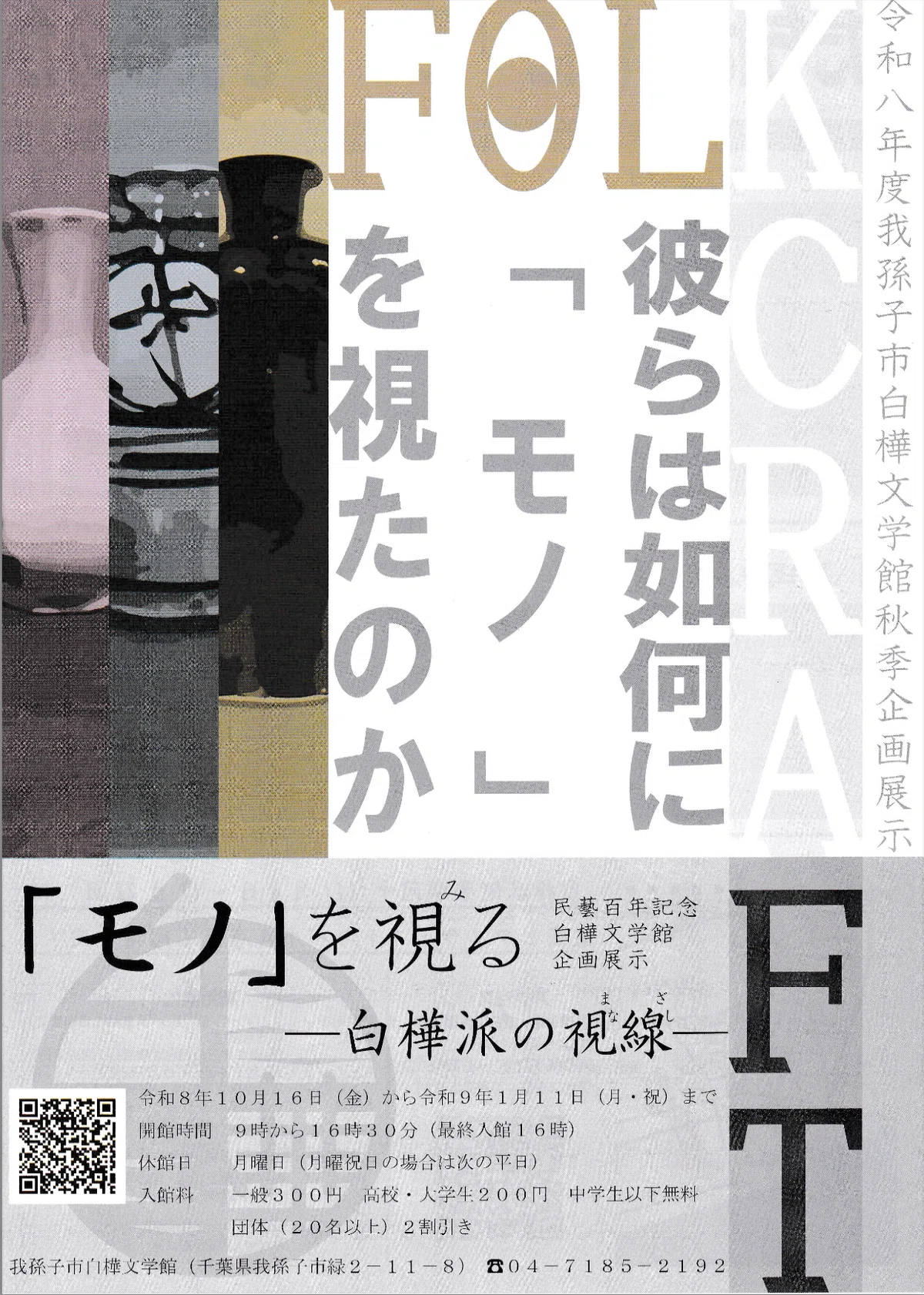
“I chose these while thinking that it would be nice if this bear were lined up alongside the gaze of the Shirakaba school writers, including Naoya Shiga, who lived in Abiko during the Taisho era, and my own gaze as Shiga’s grandson. I would love for many people to come and see it.”
I visited the preview held on October 15th. I was excited by the exhibition, which felt like it inherited Shiga’s aesthetic sense, featuring many of Mr. Yamada’s diverse collections, including the wood-carved dog, works that hint at his interactions with artists, and the miniature paintings he created himself.
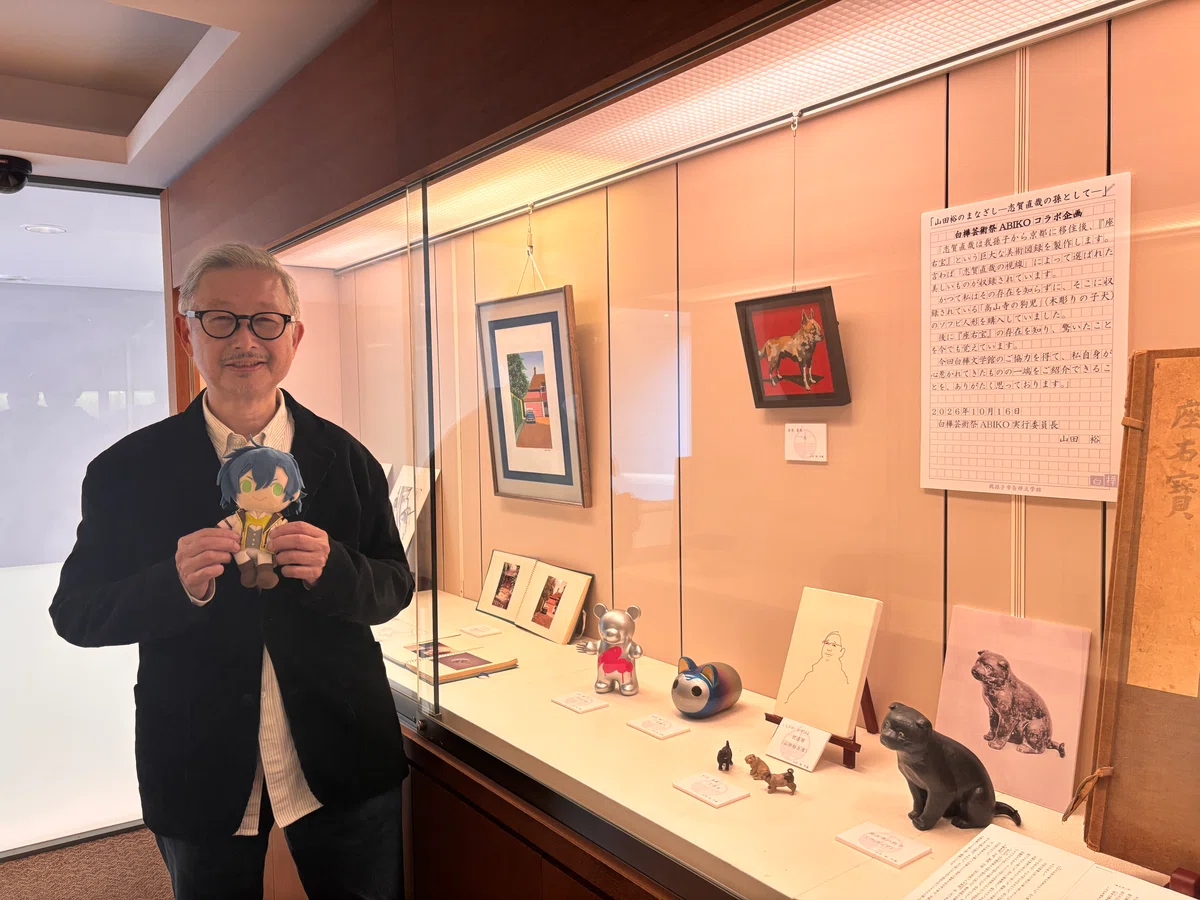
Works by Bernard Leach, his grandson Philip Leach, and Lucie Rie, with whom they were close, as well as pottery and lacquerware donated by the Yamada family, such as pieces by Shoji Hamada and Kenkichi Tomimoto, are on display—a must-see for folk art lovers.
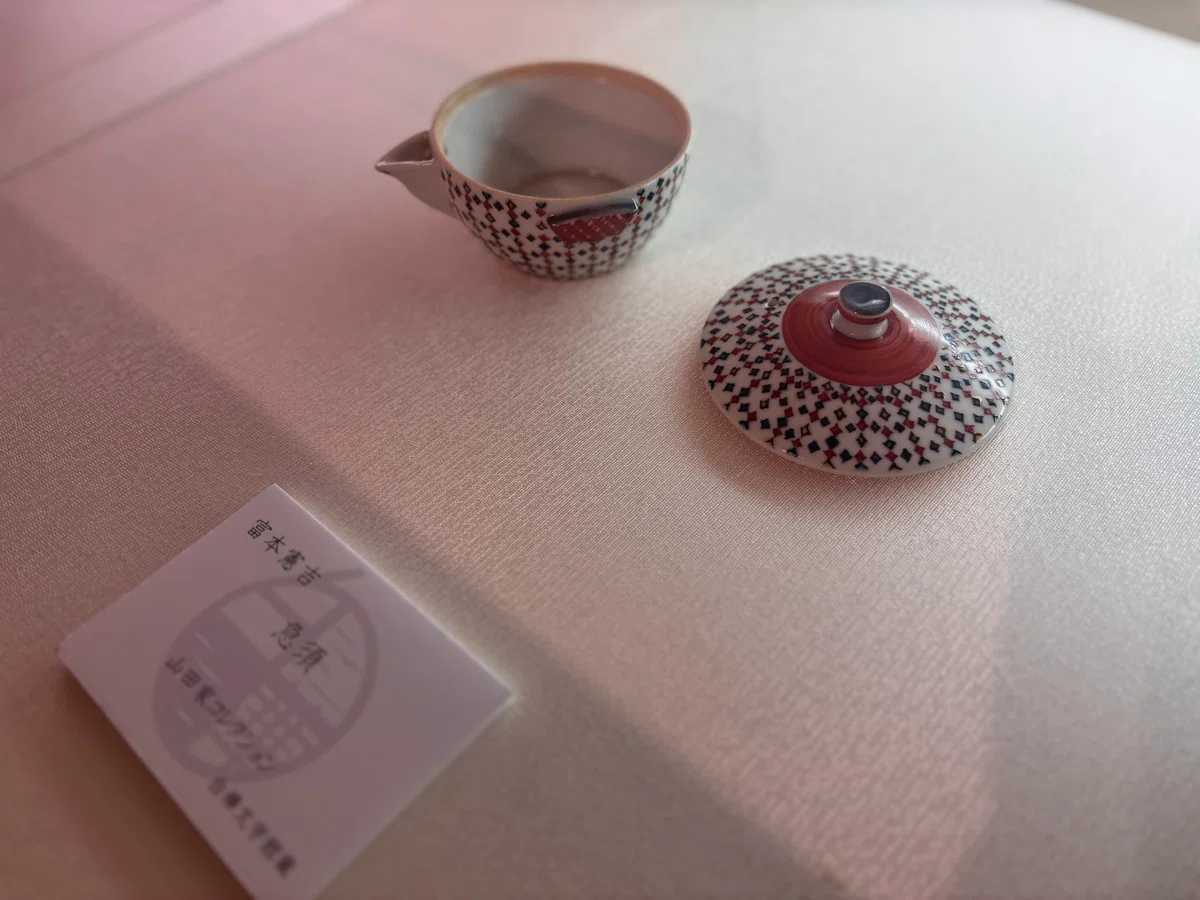
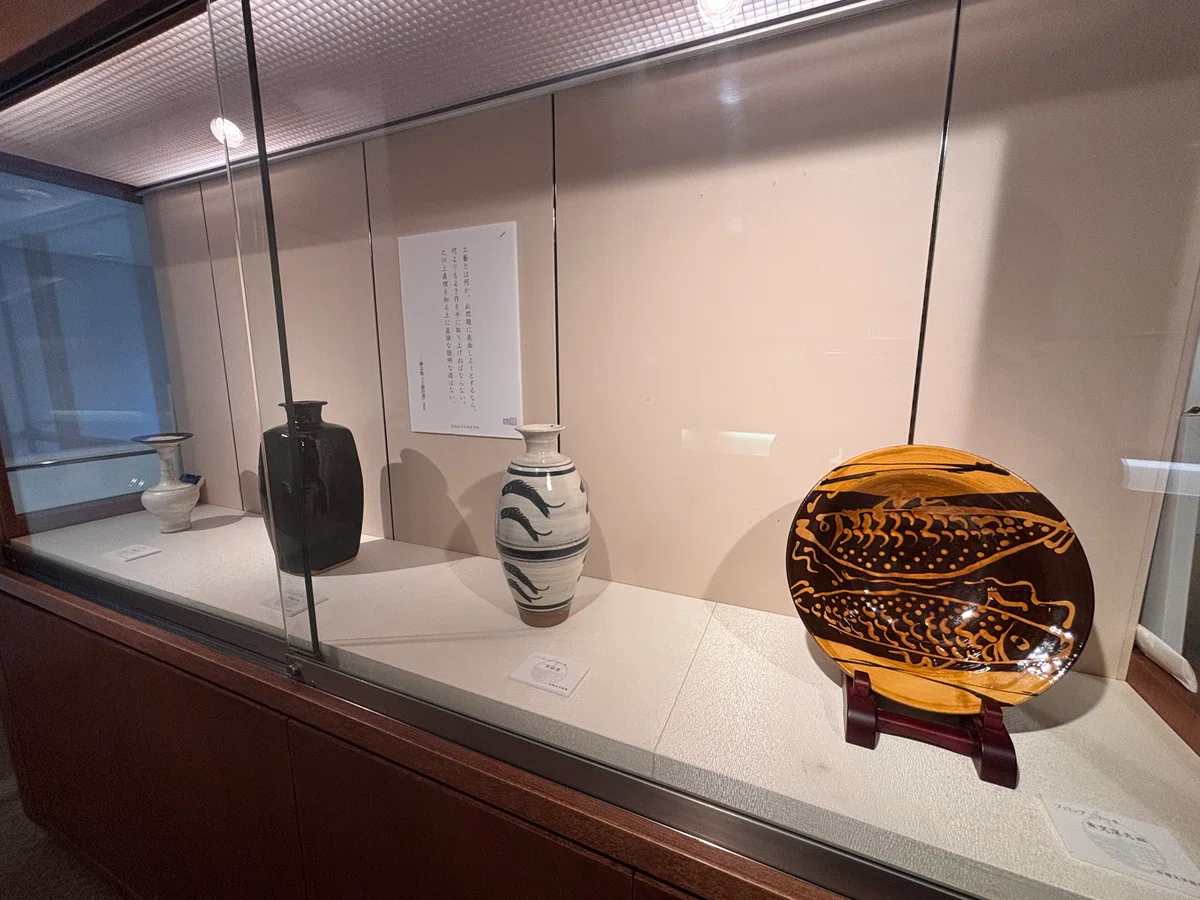
The exhibition runs from October 16, 2026, to January 11, 2027. Abiko is home to many historical sites related to the Shirakaba school, such as the former residences of Naoya Shiga and Saneatsu Mushanokoji, and it is also fun to stroll through the nature around Lake Teganuma. Please come and visit!
Editorial cooperation: Takauchi Saika
Contemporary Art Collector Yutaka Yamada ①
Contemporary Art Collector Yutaka Yamada ②
A Journey Through Kansai Tracing the Footsteps of My Grandfather, Naoya Shiga ①
A Journey Through Kansai Tracing the Footsteps of My Grandfather, Naoya Shiga ②
A Journey Through Kansai Tracing the Footsteps of My Grandfather, Naoya Shiga ③
The Yamada Family and Suginami Ward’s Tekigaiso Park
Appearance on “Platinum Family” and Behind the Scenes!
The Day “A Dark Night’s Passing” Was Opened Again in Abiko
From the Shirakaba Art Festival to “Bungo and Alchemist,” and My Connection with Hakushu Kitahara
*Mr. Yamada’s profile and activities are also explained in detail in these videos. If you are interested, please check them out!
“Inamura Chat Special Edition ② The Magnificent Family!! Who is the Yamada Family?!”
Inamura Chat Extra Edition: Yutaka Yamada & Takashi Inamura “A Grandson Talks About the Image of Naoya Shiga” (Part 1)
Inamura Chat Extra Edition: Yutaka Yamada & Takashi Inamura “A Grandson Talks About the Image of Naoya Shiga” (Part 2)
Sawako Agawa × Yutaka Yamada Conversation MC Takashi Inamura
・Profile of Yu Yamada: Born in 1951 in Suginami Ward, Tokyo, and currently resides in Jiyugaoka. His maternal grandfather was Naoya Shiga, and his paternal great-grandfather was Naoya Yamada, a mining scholar and nephew of Toshimichi Okubo. He graduated from the Department of Physics, Faculty of Science, Gakushuin University. After working at the general engineering company JGC Corporation and retiring from the JGC-Saneyoshi Scholarship Foundation, he has been collecting contemporary art while sharing information about Naoya Shiga. He has donated heirlooms related to the Shiga and Yamada families to the Shirakaba Literature Museum in Abiko City, Chiba Prefecture—a place associated with Shiga—and the Suginami Historical Museum.
