


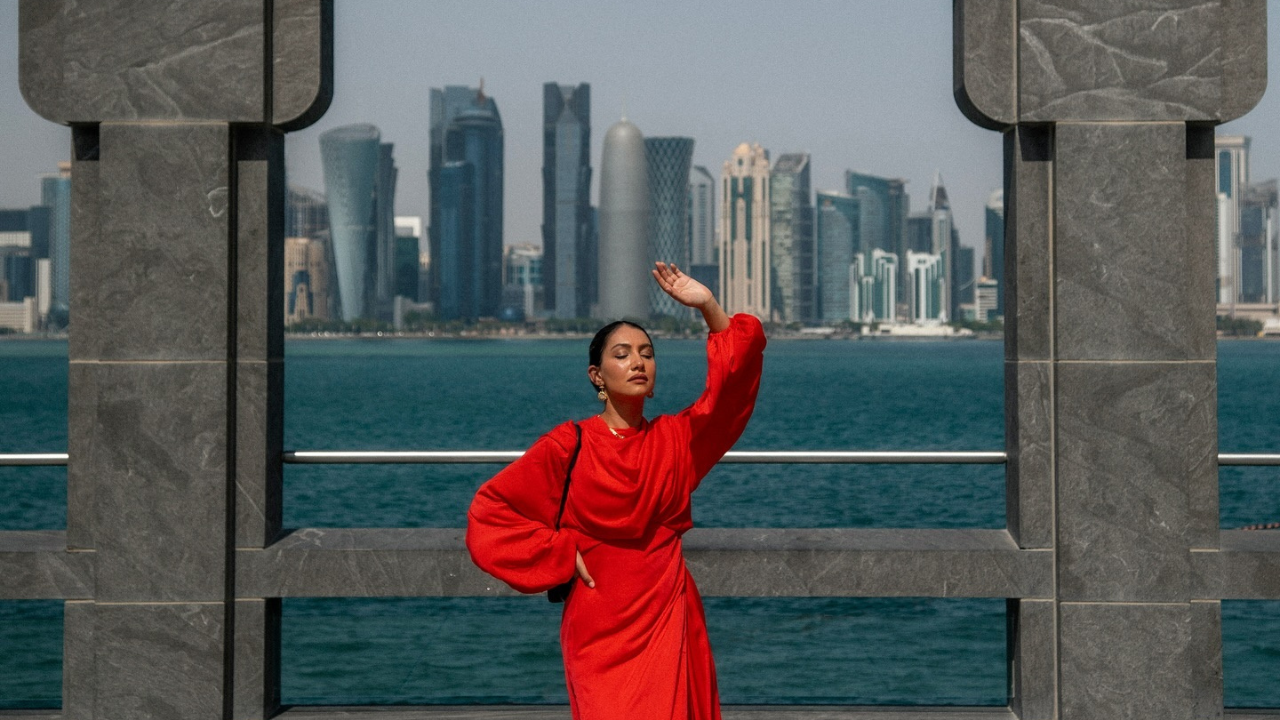
Doha’s cultural calendar is about to get a new addition. Launching on 21 November, Rubaiya Qatar is an international visual arts quadrennial that will bring exhibitions, new commissions and public art installations to venues across the country until 30 April 2027.
Presented by Qatar Museums and organized by ALRIWAQ Arts + Architecture, the inaugural edition brings together more than 120 regional and international artists from over 45 countries. Its focus is water, from its place in the region’s history and everyday life to environmental and political questions shaping its future.
At the centre of the programme is Unruly Waters, the flagship exhibition curated by Tom Eccles, Ruba Katrib, Shabbir Hussain Mustafa and Mark Rappolt. Opening at ALRIWAQ Arts + Architecture, with additional presentations at the Museum of Islamic Art and MIA Park, it looks at how ocean currents, trade routes and shifting weather patterns have connected communities across borders, and where the Gulf sits within that history.
More than 30 new commissions feature in the exhibition, alongside works by artists including Sophia Al-Maria, Lawrence Abu Hamdan, Alia Farid and Bani Abidi. Historical objects, including artefacts from the 10th-century Cirebon shipwreck, will sit alongside contemporary art, bringing different perspectives on maritime history into the same conversation. Through films, sculptures, paintings and installations, the exhibition considers water as more than a natural resource, looking at how it has shaped movement, exchange and the ways communities understand their surroundings.
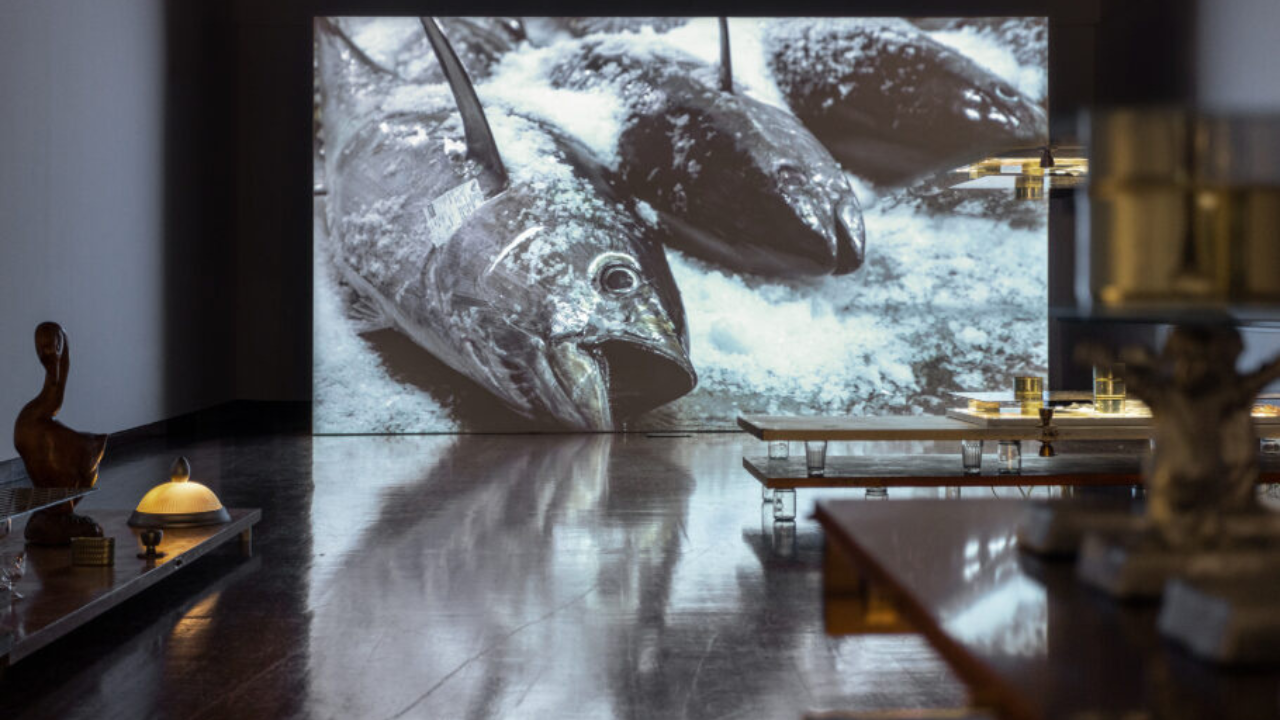
Water continues to shape two other major exhibitions. At Katara QM Gallery, Our Common Currents opens on 22 November, bringing together 12 international artists and collectives to consider water through everyday life, agriculture, industry and environmental change. The exhibition also looks at how different communities relate to their natural surroundings, drawing connections between Qatar and other geographical contexts. New commissions form part of the presentation, including a site-specific sculptural installation and courtyard garden by Australian artist Taloi Havini.
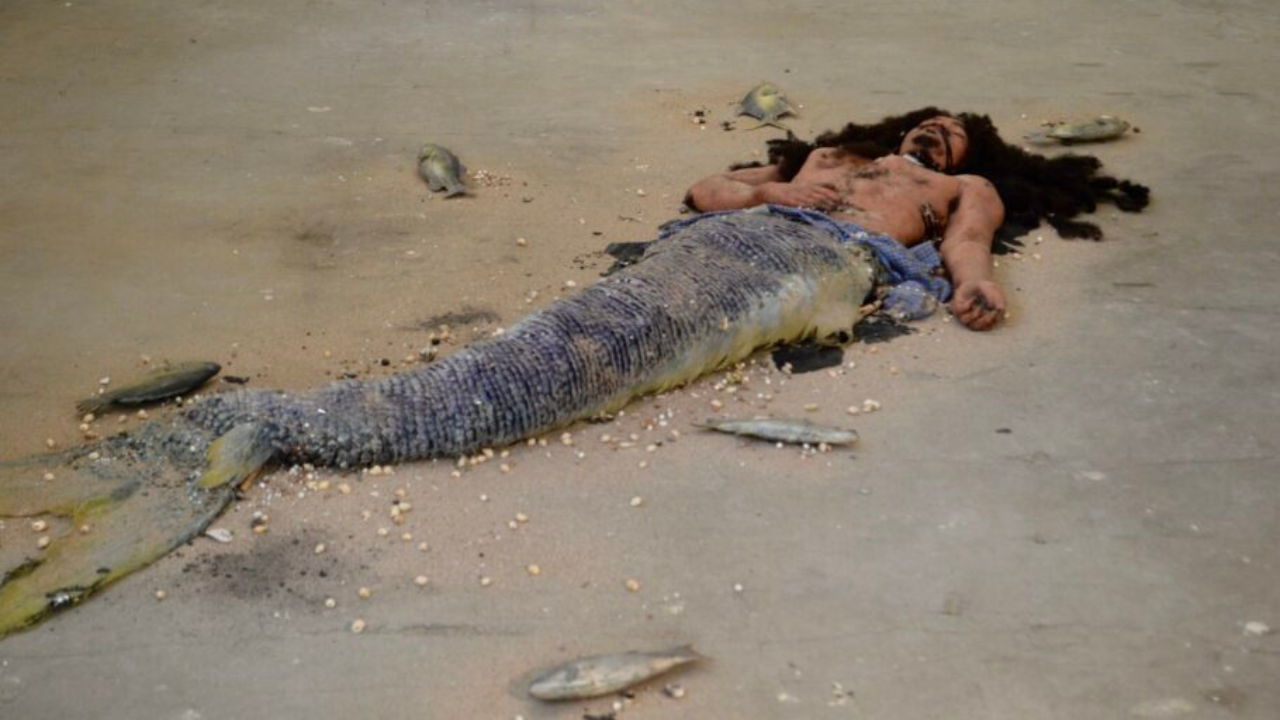
Meanwhile Seething Sea at Mathaf: Arab Museum of Modern Art looks closer to home, exploring the Gulf’s relationship with the sea through faith, folklore, ritual and craft. Curated by Wadha Al-Aqeedi, it features more than 80 works and a new commission by Jasem AlSanea. Bringing together three generations of artists from across the Gulf, the exhibition considers the sea as both a source of life and a part of the region’s cultural imagination, while reflecting on the environmental changes threatening it today.
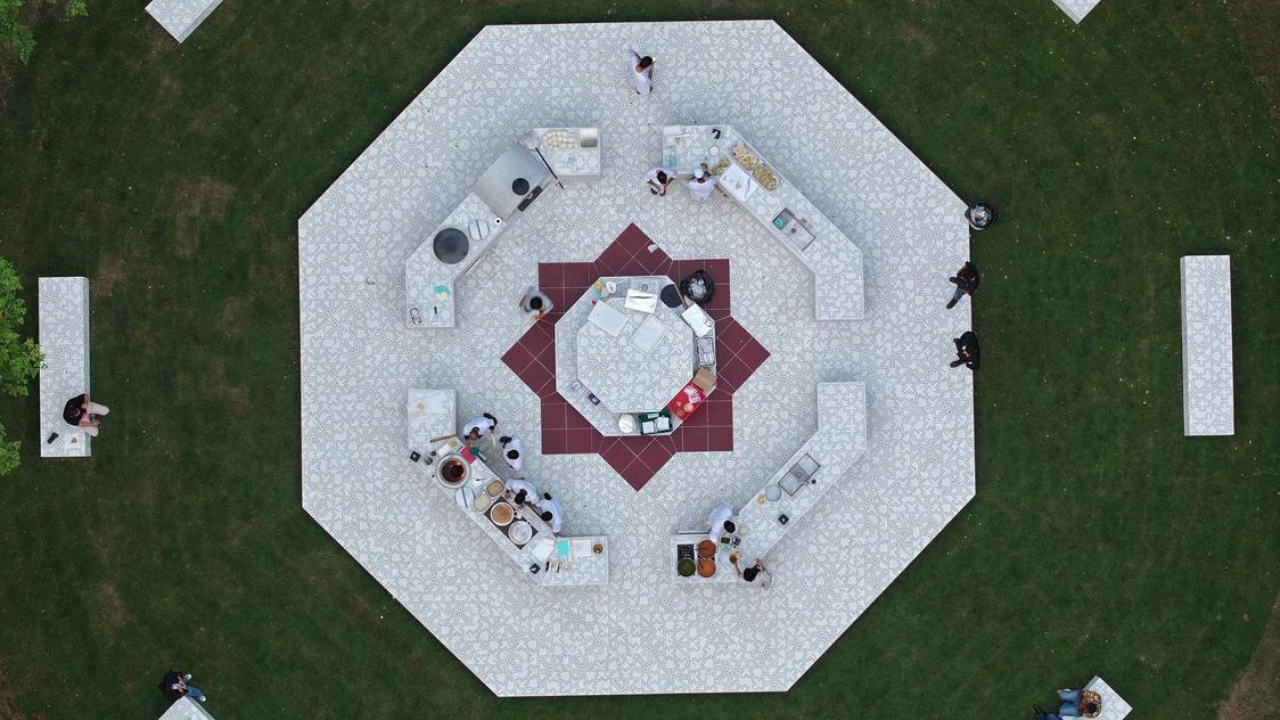
The programme also extends beyond gallery walls. Public art installations will appear at locations including MIA Park, Barzan Towers, the National Museum of Qatar metro station, Al Khor and Al Qubaih Plaza. Alongside the exhibitions, visitors can expect talks, film screenings, performances, workshops and tours, creating opportunities to engage with the programme beyond the traditional gallery setting.
What makes Rubaiya Qatar particularly interesting is how it brings these different perspectives together. The Gulf’s maritime past, its movement of people and goods, and the environmental realities of the present become starting points for a much wider conversation. Rather than looking at water through a single lens, the programme connects history with contemporary life, bringing regional stories into conversation with experiences from elsewhere in the world.
For Doha, the launch marks another addition to its growing contemporary art scene, with a programme that stretches across museums, galleries and public spaces. Running for over five months, Rubaiya Qatar offers a reason to look at the country through a different perspective, one shaped by the histories, communities and landscapes that connect it to the wider world.

