

“No. 1, they have to have done the job before. It’s really hard,” he said while recalling his previous missteps in onboarding unseasoned talent. “I brought in some people at the senior level that were really great at some things, but they had never done the job before. It just became too complex at a certain point, and the stress becomes too much.”
Employees are also schooled in adhering to the 10-5 rule, which requires hotel representatives to make eye contact with guests at 10 feet and offer them a friendly greeting at five feet, according to the well-traveled manager.
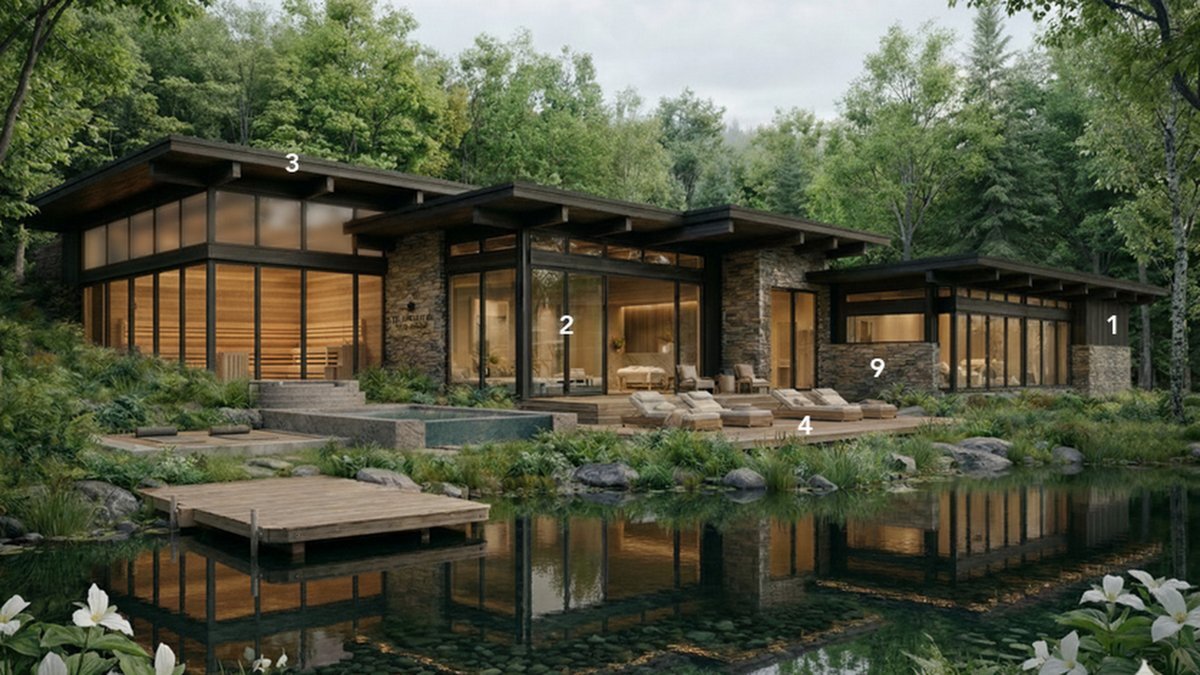
On the subject of wellness services, Grace clued in island community members on The Cooper Spa, which offers treatments, such as red-light therapy, cryotherapy, experiential showers and a Sanarium sauna.
When describing what makes a world-class five-star hotel, Grace narrowed it down to an elevated standard of service and experience, while also noting the aesthetics and ambiance of the property. The Cooper’s “level of detail,” he said, is neither in your face, ostentatious or fancy, but has an intentionality about it that makes visitors feel good.
“A lot of it is how you make them feel: name usage and being seen, little touches, consistency, the timeliness — all that stuff plays into it,” said the married father of two who’s no stranger to 12-hour workdays.
Reputation, continued Grace, is everything in the hospitality industry, as employees from prominent hotels, such as Ritz Carlton, will get job offers on 100 percent of their interviews. Those individuals exude the type of excellence that employers believe will rub off on their own staff.
In time, Grace and company are banking on The Cooper emerging as that same type of iconic brand.
“What this hotel is doing for the city, it’s putting it on a national and world map,” he added.
When reflecting on his own leadership role, Grace recalled learning early on that micro-managing his way to success was a flawed plan.